Dutch Authorities Report Vandalism After Bridge Barriers Removed
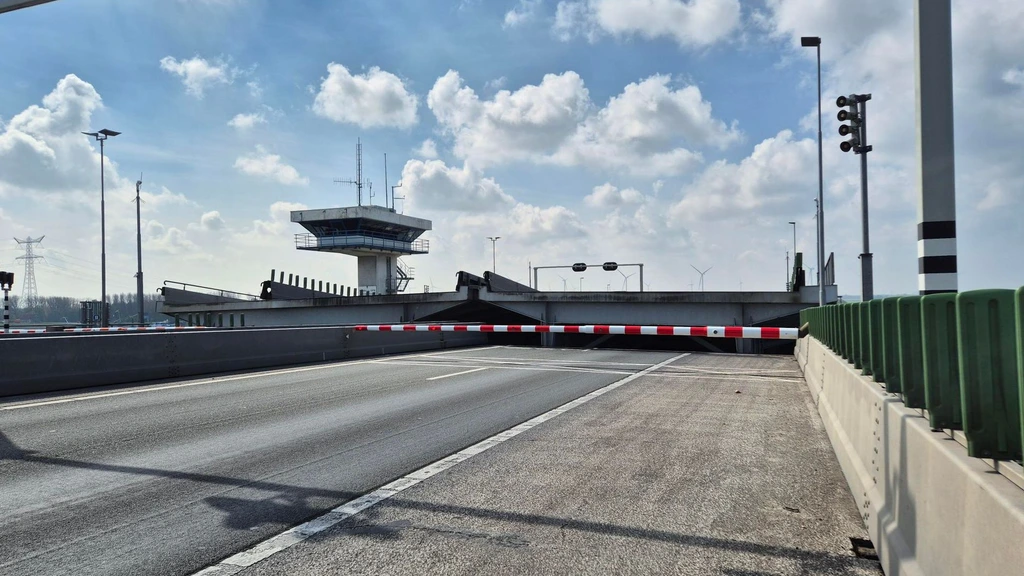
Rijkswaterstaat, the Dutch Directorate-General for Public Works and Water Management, has filed a police report following an incident where an individual unscrewed two barriers at the Ketelbrug bridge. The bridge connects Lelystad and Emmeloord in the Netherlands. The act occurred on Friday around 3:00 PM, causing the barriers on both sides of the bridge to malfunction and prevent passage. This disruption led to a traffic jam extending 8 kilometers between Lelystad and the Noordoostpolder region, with delays lasting over an hour. Authorities believe the perpetrator may have acted out of impatience due to the prolonged wait. The two removed barriers, one at the entrance and one at the exit of the bridge, were subsequently placed on the emergency lane. Rijkswaterstaat has condemned the action as "life-threatening" to both the perpetrator and other road users, drawing a comparison to the dangers of tampering with railway crossings. While acknowledging potential frustration, a spokesperson emphasized the critical safety function of the barriers and noted the rarity of such an incident. It remains unclear whether the individual(s) involved fled the scene after the act. A repair technician was eventually able to restore the barriers to working order.
This incident highlights the potential for individual frustration with infrastructure delays to escalate into dangerous and illegal actions. The removal of safety barriers, regardless of the motivation, poses significant risks to public safety and disrupts essential transport networks. From a systems perspective, the event underscores the need for robust infrastructure security and rapid response protocols to mitigate the impact of vandalism. Future considerations could involve exploring technological solutions for immediate barrier integrity monitoring and public communication strategies to manage driver expectations during unavoidable delays, thereby reducing the likelihood of such extreme reactions.
AI-generated to prompt reflection — not editorial opinion, not advice, not a statement of fact. How this works.