Dutch Cabinet Faces Budget Challenges, Minister Suggests Wealth Tax Hike
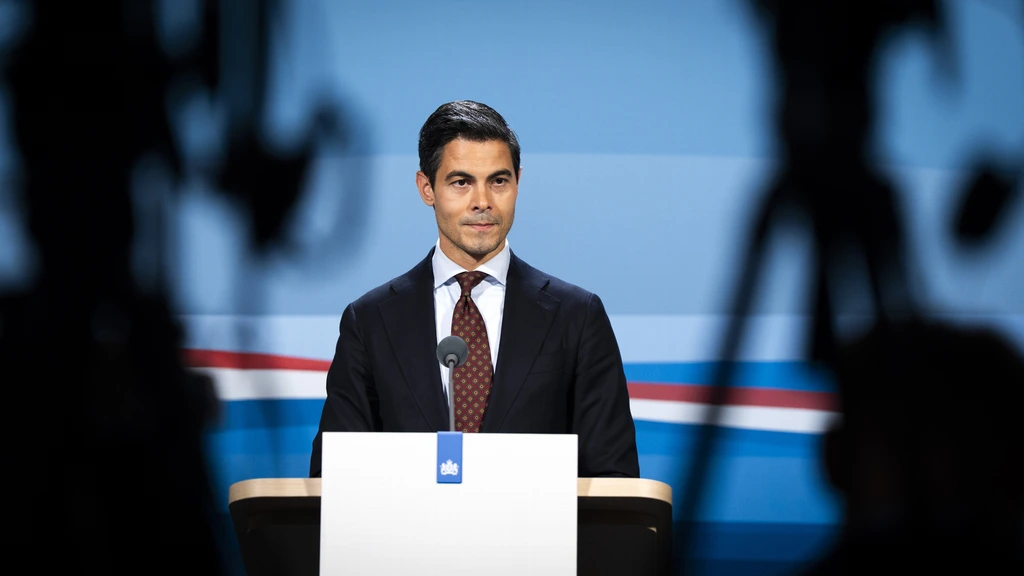
As the Dutch cabinet prepares for a challenging budget summer, Minister of Social Affairs and D66 member, Ruben Vijlbrief, has suggested that increasing the wealth tax is a viable option. This statement, made on the final day before the summer recess, comes as reforms to social security, specifically a faster increase in the AOW pension age, have stalled. Vijlbrief believes that engaging with opposition parties like Pro and trade unions requires a willingness to discuss all fiscal measures without taboos. However, this proposal immediately met resistance from coalition partner VVD, whose leader and Deputy Prime Minister, Dilan Yeşilgöz, reiterated the coalition agreement's stance against altering such policies. Yeşilgöz indicated that any party wishing to renegotiate the agreement should formally state their intentions. Vijlbrief maintains that the current minority government, with only 66 seats, must actively seek common ground with social partners and political opposition to secure support for the upcoming budget. The government aims to find parliamentary majorities for its budget proposals by engaging with opposition parties, potentially incorporating their ideas. Prime Minister Mark Rutte has emphasized that the coalition agreement remains intact and that reforms within the social security budget are necessary to ensure affordability for an aging population, without shifting the burden to future generations or other budgets. Discussions with opposition parties are scheduled for August, following the release of economic forecasts by the CPB. Despite internal coalition differences, Rutte expressed optimism about the government's ability to navigate these challenges, highlighting past successes in asylum and nitrogen policies. He acknowledged that while some opposition parties are constructive, others present their own agendas, creating space for diverse viewpoints in parliamentary votes. The cabinet intends to present a foundational budget and then actively seek broader support, potentially adjusting plans if all coalition parties agree.
The Dutch minority government's reliance on opposition support for its budget underscores the inherent tension between coalition agreements and the practical necessity of legislative consensus. Minister Vijlbrief's suggestion to explore wealth tax increases, while framed as breaking taboos, can be interpreted as a strategic maneuver to signal flexibility and invite dialogue, particularly with left-leaning parties. However, the immediate pushback from the VVD highlights the fragility of coalition cohesion and the VVD's commitment to its fiscal conservatism. This dynamic suggests that the government's ability to pass its budget will hinge on its capacity to broker compromises that satisfy both internal coalition demands and the diverse interests of opposition parties. The upcoming budget negotiations will likely test the government's adaptability and its willingness to cede policy ground, potentially leading to a budget that reflects a broader spectrum of political influence than initially intended by the coalition.
AI-generated to prompt reflection — not editorial opinion, not advice, not a statement of fact. How this works.