Dutch Central Bank Urges Action to Boost Private Rental Housing Investment
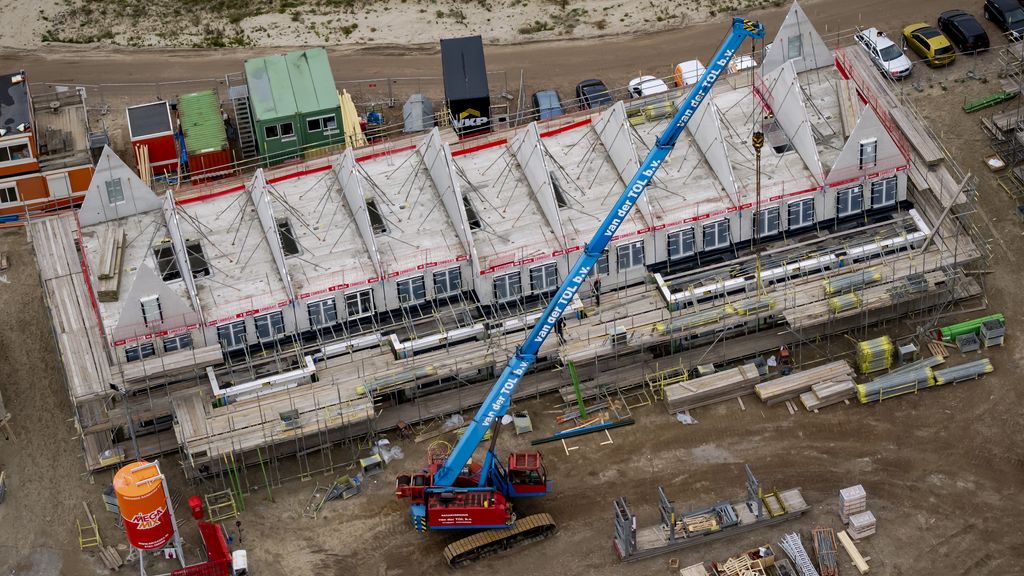
De Nederlandsche Bank (DNB), the Dutch central bank, has issued a strong warning that significant investment is needed to meet housing construction targets, particularly in the private rental sector. The DNB emphasizes that without increased investment, the government's ambitious housing goals are at risk of not being achieved. The real estate sector has long been highlighting a decline in investment for new rental properties, prompting the Ministry of Housing to launch an investment climate monitor for mid-priced rentals in June. The DNB's intervention signals a growing concern at the highest levels of financial oversight. The Dutch cabinet aims to build 100,000 new homes annually, with 16,000 designated for the private rental market. However, a substantial funding gap exists, contrasting sharply with the 1980s when government investment in construction represented 1.8 percent of the Dutch economy; today, that figure has fallen to just 0.1 percent. This shift necessitates greater reliance on private and international investors, who have significantly reduced their participation in recent years. While international investors provided one-third of the financing for private rental homes in 2022, their contribution has dwindled to almost nothing in the past year. To address this, the DNB recommends swift policy changes, including more stable and predictable regulations, reduced municipal discretion in imposing additional building requirements, and a review of the Affordable Rent Act. Specifically, the DNB suggests that property value should carry more weight in rent calculations, as current strict rent controls deter investors. The central bank hopes that by making the sector more profitable, it will attract renewed investment and help close the housing supply deficit.
The DNB's assessment highlights a critical juncture for the Dutch housing market, where policy-driven rent controls may be inadvertently stifling the capital inflow necessary to meet ambitious construction targets. The stark decline in investment, particularly from international sources, suggests a misalignment between regulatory frameworks and investor incentives. Future policy decisions will need to balance the societal imperative for affordable housing with the economic realities of attracting sufficient private capital. This involves not only adjusting specific regulations like the Affordable Rent Act but also fostering a more stable and predictable investment environment. The challenge lies in designing market mechanisms that encourage development without compromising long-term affordability, a complex interplay that will likely shape housing policy for the next decade as demographic shifts and technological advancements in construction continue to evolve.
AI-generated to prompt reflection — not editorial opinion, not advice, not a statement of fact. How this works.