Dutch Court Upholds Acquittal for 'Tattoo Killers' in 2009 Onno Kuut Murder Case
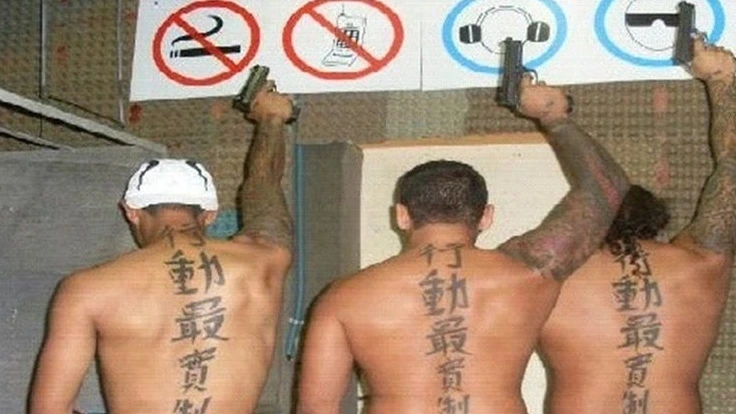
Four men have been acquitted on appeal of their involvement in the 2009 murder of Onno Kuut, with the Court of Appeal in The Hague citing insufficient evidence. This ruling upholds a previous acquittal from 2020 by a lower court, despite the prosecution having appealed the initial verdict. The victim, Onno Kuut, was brutally killed and his body was discovered buried in the dunes near Hoek van Holland on March 25, 2009. The court concluded the murder was a settlement within the criminal underworld, noting that both the victim and the four defendants were active in serious criminal activities and shared distinctive matching back tattoos, leading to their moniker 'tattookillers'.
Investigators used track-and-trace data to determine that the four defendants, identified as Evert S. (45), Jeroen S. (52), Brian P. (38), and Cor P. (43), had repeatedly traveled near the burial site in a rental car, though they never provided an explanation for these movements. The court found the track-and-trace data and other investigative findings to be "extremely meager" and insufficient to establish the defendants' roles in the murder. The Public Prosecution Service had initially sought life sentences for the four men. In the appeal, they requested acquittals for Evert S. and Jeroen S. due to insufficient evidence, while seeking eight and ten years imprisonment for brothers Brian and Cor P., respectively, for their alleged roles.
Kuut was killed on March 17, 2009, shortly after midnight, through torture and a fatal knife wound to the throat. His body was found after tips from dune walkers. The court did find it proven that one defendant acted as a lookout during the burial and disposed of the victim's belongings, but deemed these actions insufficient for a murder conviction, classifying them as potentially indicative of accessory involvement. Charges related to concealing the body were dismissed as time-barred.
This case highlights the persistent challenges in securing convictions for serious crimes when evidence relies heavily on circumstantial data, such as location tracking, especially when defendants offer no explanation. The repeated acquittals by both lower and appellate courts underscore the legal principle that suspicion, even when supported by potentially incriminating data, does not equate to proof beyond a reasonable doubt. The 'tattookillers' moniker, while evocative, serves as a narrative element rather than direct evidence of guilt. Moving forward, law enforcement and judicial systems must continually refine methods for gathering and presenting evidence that can definitively link individuals to criminal acts, while upholding stringent standards of proof to prevent wrongful convictions. This situation also points to the complexities of prosecuting organized crime, where establishing direct culpability for specific violent acts can be difficult due to the clandestine nature of operations and the potential for sophisticated evasion tactics.
AI-generated to prompt reflection — not editorial opinion, not advice, not a statement of fact. How this works.