Dutch Courts Grant Sentence Reductions Due to Case Delays
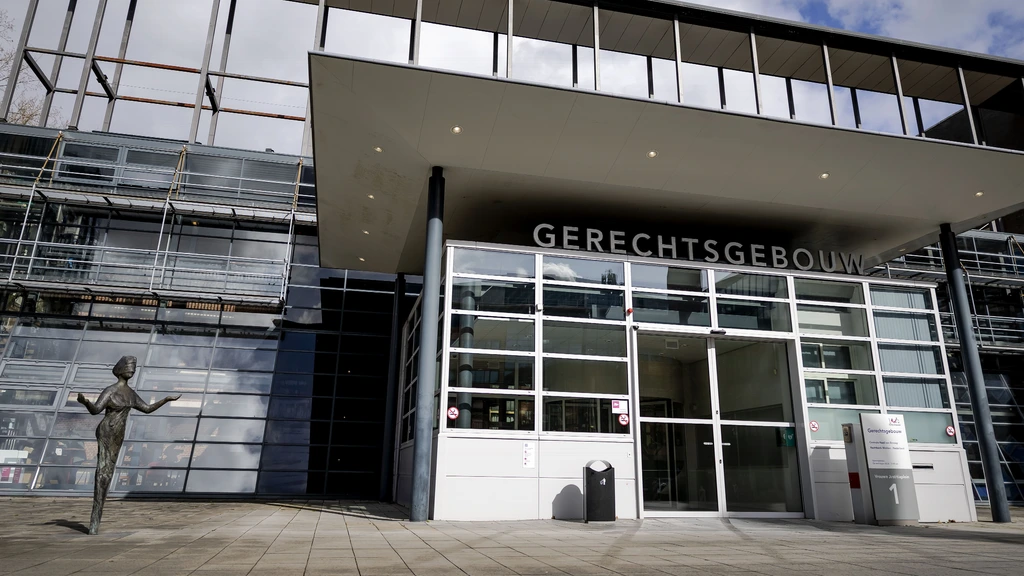
Hundreds of individuals convicted of serious crimes, including murder, rape, and child abuse, have received reduced sentences in the Netherlands over recent years due to lengthy legal proceedings. An investigation by RTL Nieuws revealed that some offenders served up to three years less in prison as a result. While suspects are legally entitled to a timely resolution, these statutory deadlines are frequently exceeded. Judges can compensate for these delays by shortening sentences. RTL analyzed 156,000 verdicts from 2008 to July 2026, identifying 669 cases where defendants received sentence compensation for delayed case processing, encompassing the entire legal journey from police investigation to trial. These delays are becoming more prevalent, with more sentence reductions granted by mid-2024 than in all of 2022. Contributing factors include the COVID-19 pandemic and a cyberattack on the Public Prosecution Service. The severity of cases varies; one individual convicted of attempted murder received a three-year sentence reduction, while a father convicted of raping his daughter and a teacher convicted of sexual misconduct with a minor during a school trip each received two-month reductions. The Council for the Judiciary, the police, and the Public Prosecution Service have acknowledged and regretted the delays. The Netherlands Court of Audit has also been critical, noting that despite stated goals from successive justice ministers, processing times have not improved since 2019. The House of Representatives is urging Justice Minister David van Weel to address the stalled criminal justice system. Minister Van Weel acknowledged that victims are disadvantaged by these prolonged proceedings and admitted the system is "clogged," requiring "drastic changes." He stated that the issue is complex and not due to a lack of will to resolve it.
The Dutch criminal justice system faces a systemic challenge where procedural delays, exacerbated by events like the pandemic and cyber incidents, lead to reduced sentences for serious offenses. This creates a disconnect between the severity of crimes and the actual punishment served, potentially undermining public confidence and victim satisfaction. The repeated failure to meet processing time targets, despite ministerial acknowledgment, suggests underlying structural issues within the judicial and prosecutorial apparatus. Addressing this requires not just increased resources, but potentially a re-evaluation of case management protocols, inter-agency coordination, and the legal framework governing reasonable trial duration. The tension between ensuring due process and delivering timely justice, especially for victims, highlights a critical governance challenge in balancing rights and societal expectations within the evolving legal landscape.
AI-generated to prompt reflection — not editorial opinion, not advice, not a statement of fact. How this works.