Dutch COVID-19 inquiry questions former minister on policy, vaccination strategy
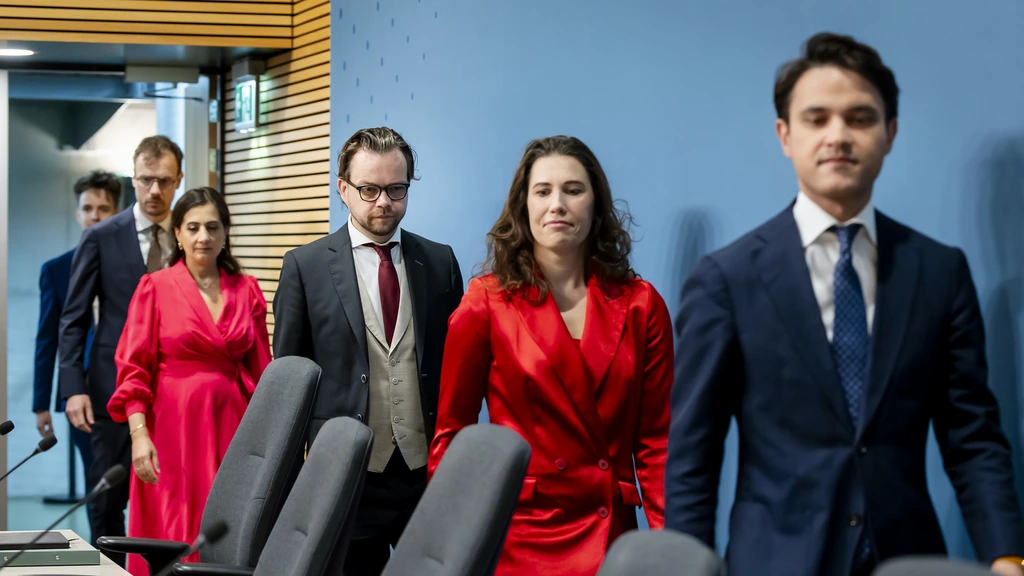
Former Dutch Health Minister Hugo de Jonge was questioned this week as part of an inquiry into the country's COVID-19 policies. The focus was on the use of COVID access passes and vaccination strategies, with De Jonge addressing criticism leveled against him. Opinion pollster Maurice de Hond testified that the virus spread primarily through aerosols, not large droplets as he claims was the mainstream view, and that critical voices were ignored by the Outbreak Management Team (OMT), the National Institute for Public Health and the Environment (RIVM), and the cabinet. De Hond argued that incorrect assumptions led to many measures being nonsensical. Former State Secretary Mona Keijzer also testified, expressing growing criticism of decisions made by a "small group of men," including Van Dissel of the OMT, Prime Minister Rutte, De Jonge, and Justice Minister Grapperhaus. Robèr Willemsen, a representative of the hospitality sector, found that the Ministry of Economic Affairs was ineffective and that Keijzer's influence was minimal, while De Jonge was unresponsive to his concerns. De Jonge stated that the goal was to prevent a "Bergamo scenario" of overwhelmed hospitals, but asserted that the balance between safety and openness was considered in every meeting, describing the period as "walking a tightrope." He admitted that initial lockdowns and visitation bans in nursing homes were "unavoidable" due to the urgent need to prevent hospital overload. Keijzer countered that there was "tunnel vision" and that society was locked down with "unnavigable measures." The inquiry also delved into the vaccination campaign, with RIVM vaccination director Jaap van Delden admitting that focusing solely on GPs for initial vaccination was a mistake due to the storage requirements of the first vaccine, leading to a delayed start compared to neighboring countries. De Jonge acknowledged pushing hard against disinformation, stating that "the truth had to be told" regarding vaccination. The inquiry commission has scheduled further hearings after the summer break, with a final report expected next year.
The Dutch COVID-19 inquiry highlights systemic challenges in crisis management, particularly concerning the integration of diverse scientific perspectives and stakeholder feedback. The questioning of former minister Hugo de Jonge and other officials reveals potential issues with groupthink within advisory bodies and policy-making circles, where dissenting views may have been marginalized. This raises questions about the robustness of decision-making processes when faced with novel threats and the importance of mechanisms for incorporating alternative hypotheses, such as the aerosol transmission debate. The inquiry's focus on how dissenting voices were handled, rather than solely on who was right, underscores a critical lesson for future public health responses: fostering an environment where open debate and evidence evaluation can occur without political or institutional pressure is paramount. The examination of the vaccination strategy's initial logistical hurdles also points to the need for agile planning that anticipates technological constraints and diverse implementation pathways, rather than relying on a single approach. Moving forward, strengthening the architecture for evidence synthesis and policy deliberation will be crucial for navigating future public health crises with greater foresight and adaptability.
AI-generated to prompt reflection — not editorial opinion, not advice, not a statement of fact. How this works.