Dutch Customs Intensifies Crackdown on Professional Cigarette Smugglers
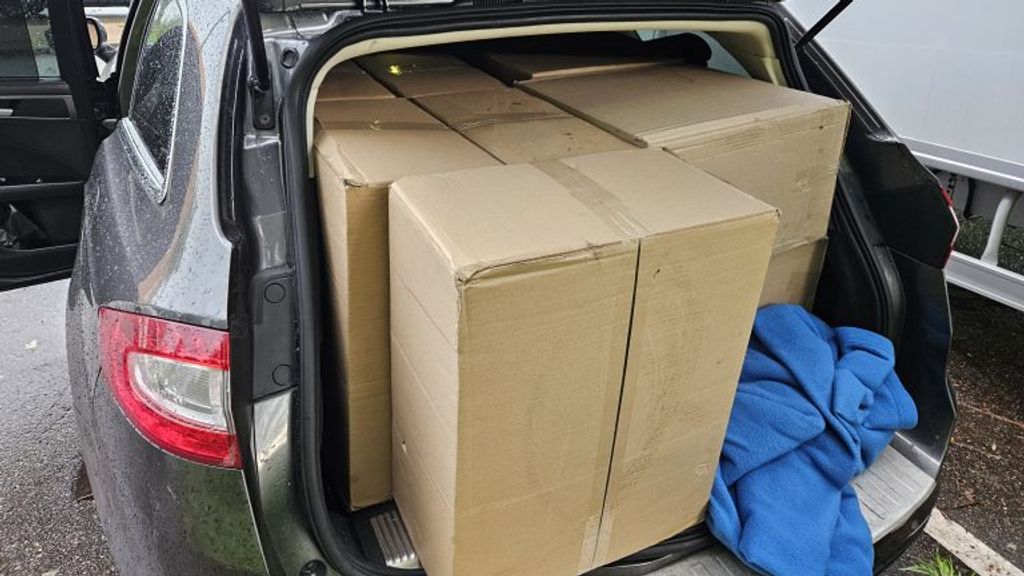
Dutch Customs is implementing stricter measures against cigarette smuggling, having already seized 106 million illegal cigarettes this year. The agency identifies tobacco smuggling as a significant criminal revenue stream, largely driven by high excise taxes in the Netherlands. Since excise duties increased substantially in 2024, cigarette prices now range from 11.50 to 13.50 euros per pack, making the Netherlands one of Europe's most expensive countries for smokers. This price hike encourages individuals to buy cigarettes abroad and has attracted organized criminal groups who are now involved in large-scale smuggling operations and the sale of illicitly produced tobacco. Nanette van Schelven, Director-General of Customs, noted that this activity is now linked to major drug traffickers seeking additional profits, impacting state revenue from tobacco excise duties, which fell by 2.6 billion euros last year. To combat this, Customs, in collaboration with the Fiscal Intelligence and Investigation Service (FIOD), is expanding its dedicated task force and increasing inspections, particularly targeting professional smugglers using the Port of Rotterdam, with recent interceptions of large shipments from Asia. Additional measures include a pilot program at Schiphol Airport using scan equipment to detect cigarettes in luggage and a legislative proposal to deploy cameras and drones for excise tax fraud enforcement. While the number of illegal cigarette factories within the Netherlands has decreased due to new licensing requirements for manufacturing equipment, production appears to have shifted to Belgium, where eleven such factories were found last year. In parallel, Customs reported intercepting over 19,000 kilograms of cocaine in the first half of 2026, an increase from the previous year, with plans to enhance surveillance in smaller ports to counter drug drop-offs at sea. Conversely, seized cannabis quantities have significantly decreased, with only 7,900 kilograms found this year compared to a record 60,000 kilograms last year, attributed to stricter export controls in countries like Canada.
The Dutch government's intensified efforts against cigarette smuggling highlight a complex interplay between public health policy, taxation, and organized crime. High excise taxes, intended to curb smoking rates and generate revenue, inadvertently create lucrative black markets that criminal organizations exploit. This situation presents a systemic challenge: policies aimed at one objective can generate unintended consequences, such as increased criminal activity and reduced tax collection. The diversification of criminal enterprises into tobacco smuggling, alongside drug trafficking, suggests a need for integrated law enforcement strategies that address the financial incentives driving illicit trade. Future policy considerations might involve exploring alternative taxation models or international cooperation to harmonize excise duties, thereby reducing cross-border smuggling incentives and mitigating the financial burden on state revenues while addressing the public health goals.
AI-generated to prompt reflection — not editorial opinion, not advice, not a statement of fact. How this works.