Dutch Customs Officers Accused of Corruption to Remain Free Pending Trial
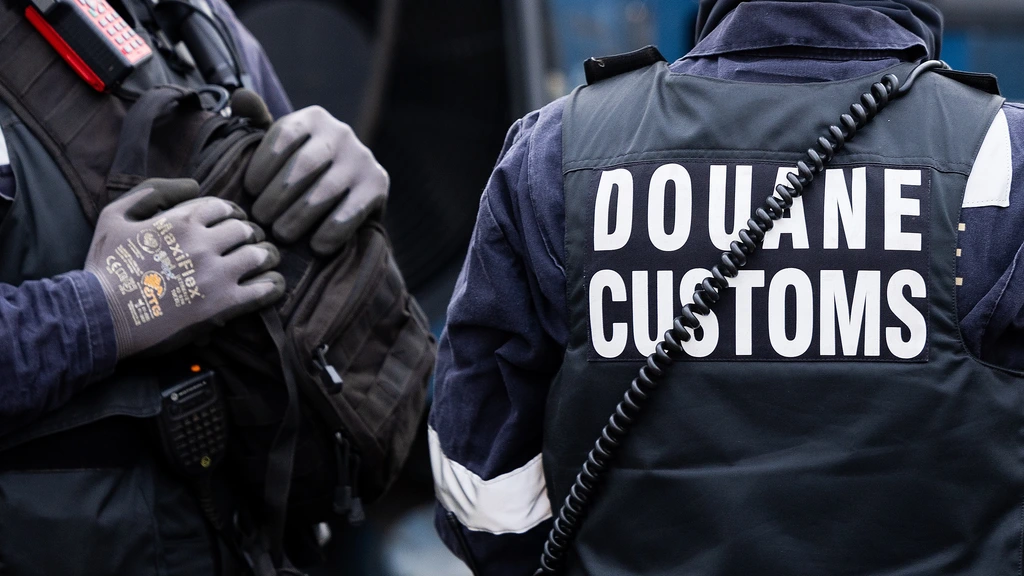
Three Dutch customs officers, arrested in April on suspicion of stealing information from their employer's computer systems, will be allowed to await their trial in freedom. This decision was made by the Rotterdam District Court. The individuals, aged 26, 41, and 45, are from Rotterdam and Capelle aan den IJssel and worked together in a customs department responsible for selecting shipments for inspection. They are accused of accepting bribes, breaching official secrecy, computer intrusion, and preparing for cocaine importation. Two of the officers also face charges of money laundering. An investigation into the officers began after a tip to the police intelligence service, involving recorded conversations and the deployment of an undercover agent. Prosecutors allege that two suspects discussed "importation, dealings, taking over things at customs, and focusing on Vlissingen." The brother of one of the customs officers is also reportedly involved. The arrests were carried out by the Combiteam Havens, a joint task force investigating serious crime in the ports. During the arrests, properties in the Rotterdam region were searched, and data carriers, cash, and luxury goods were seized. The customs officers were suspended by their employer following their arrest. The court found insufficient grounds to detain the officers, who have no prior criminal records, though the suspicions against them remain. The court noted that conversations between a suspect and the undercover agent could suggest a "trinity wanting to make money with information." The arrested brother was previously released. Defense attorneys criticized the lengthy investigation and the use of the undercover agent, with one suspect claiming to have developed PTSD due to the agent's involvement.
The Rotterdam court's decision to allow the accused customs officers to await trial in freedom, despite serious allegations of corruption and involvement in drug trafficking preparations, highlights the legal principle of presumption of innocence and the high bar for pre-trial detention. The case raises questions about internal controls and oversight within the customs service, particularly concerning access to sensitive information and potential vulnerabilities to bribery. The use of an undercover agent and the subsequent claims of psychological distress underscore the ethical and procedural considerations in law enforcement investigations. Moving forward, the focus will be on the evidence presented in court to determine accountability and to assess the systemic risks that enabled such alleged activities, potentially leading to reforms in screening, monitoring, and whistleblower protection within critical public service roles.
AI-generated to prompt reflection — not editorial opinion, not advice, not a statement of fact. How this works.