Dutch drivers fill jerrycans with cheaper Belgian gasoline, raising safety concerns
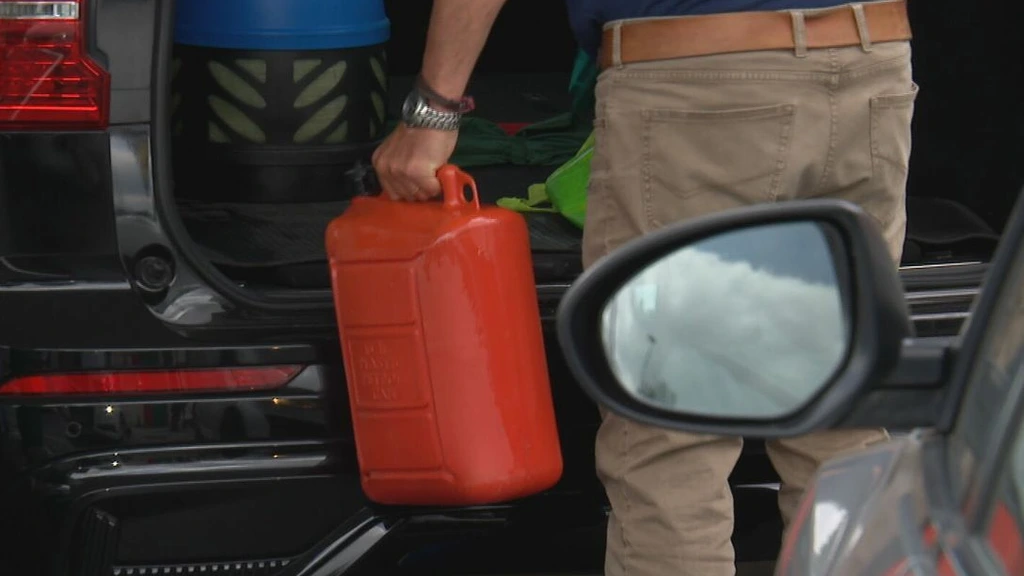
Many Dutch drivers in the border region of Zeeland are traveling to Belgium to purchase gasoline at lower prices, filling not only their car tanks but also portable jerrycans. These filled containers are often transported on the back seat or in the trunk of their vehicles. While it is not illegal in the Netherlands to transport up to 240 liters of fuel, strict safety regulations must be adhered to. These include using approved, leak-proof jerrycans that are securely fastened to prevent movement during transit. Failure to comply with these conditions can result in fines, with police empowered to inspect vehicles. Despite adherence to regulations, the fire department warns of significant dangers associated with transporting gasoline. Alex van Dijk, a hazardous materials specialist, highlighted that inhaling gasoline fumes can lead to disorientation and headaches, posing risks during driving. In the event of a fire, the presence of extra fuel in jerrycans can accelerate the blaze. Firefighters may also be caught off guard, as standard procedures for car fires do not account for additional fuel containers within the passenger compartment. The fire department's primary recommendation is to avoid transporting gasoline altogether and to fill the vehicle's tank directly. If carrying fuel is unavoidable, Van Dijk advises using small quantities and storing the jerrycans outside the main cabin of the car.
The practice of Dutch drivers sourcing cheaper gasoline from Belgium and transporting it in jerrycans highlights a common cross-border economic arbitrage driven by fuel price differentials. While legal limits exist for personal fuel transport, the fire department's warnings underscore the inherent risks of carrying flammable liquids. This situation presents a tension between individual cost-saving behavior and public safety mandates. From a systemic perspective, the differing fuel tax policies between the Netherlands and Belgium create these price discrepancies, incentivizing such cross-border trips. Future policy considerations might involve harmonizing fuel taxes or implementing more stringent enforcement of transport safety regulations, though the latter could be challenging given the scale of the activity. The long-term trend towards electric vehicles may eventually mitigate these issues, but in the interim, managing the safety implications of traditional fuel transport remains a relevant concern.
AI-generated to prompt reflection — not editorial opinion, not advice, not a statement of fact. How this works.