Dutch Education Inspectorate Cites Mismanagement at Cornelius Haga Lyceum
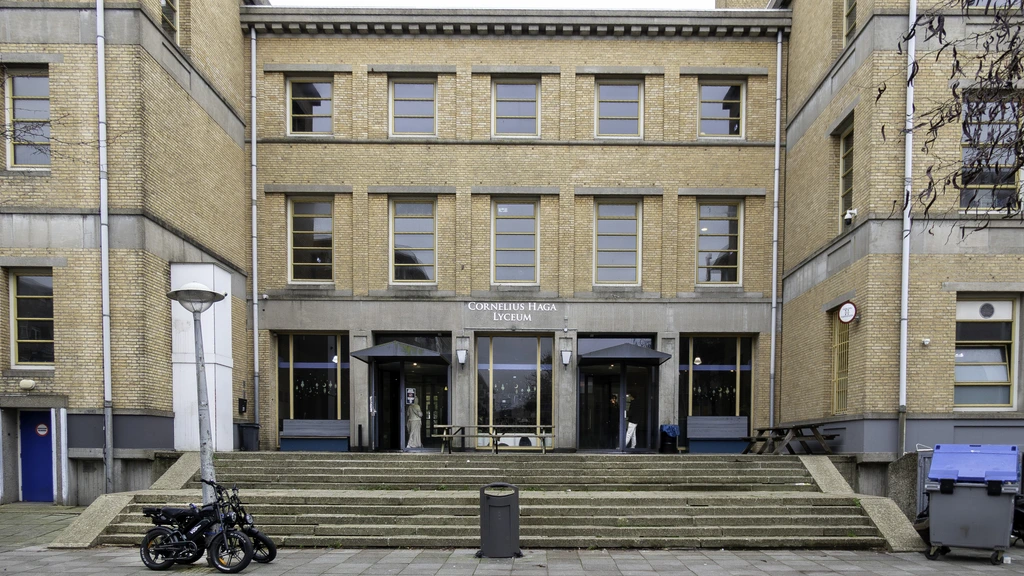
The Education Inspectorate has determined that the board of the Cornelius Haga Lyceum in Amsterdam has engaged in mismanagement. The Stichting Islamitisch Onderwijs (SIO), which governs the Islamic secondary school, has allegedly failed for years to implement necessary measures to enhance educational quality. Due to the severity of these findings, the Inspectorate is requesting state secretary Tielen to intervene, who has stated she shares the concerns and is considering next steps prioritizing student welfare. The Inspectorate concludes that since 2022, the board has inadequately addressed the persistent poor quality of education, leaving students "needlessly and continuously" exposed to substandard instruction. An investigation revealed the board lacks a system for monitoring and improving educational quality and fails to meet legal requirements for good governance and internal oversight. Responsibilities are unclearly divided, a legally mandated professional statute for teachers is absent, and the participation council does not function as legally prescribed. Furthermore, the board has insufficient insight into its own organization, being unaware of an internal report indicating staff felt unsafe and concerns were not taken seriously. Exam results and pass rates, particularly for the mavo track, have been significantly below the national average for years, with approximately 35% of mavo students passing in recent years compared to over 91% nationally. Despite multiple remediation orders, the Inspectorate has little confidence they will be followed, as previous improvement plans were barely implemented and a functional quality assurance system remains absent. The orders require adjustments to the board structure, clear separation of board and oversight functions, legally compliant participation council operations, improved education, and more lessons taught by qualified teachers. The school board has one year to rectify these deficiencies before the Inspectorate assesses compliance. SIO acknowledges the need for educational improvement but disputes the mismanagement finding, deeming it insufficiently substantiated and based too heavily on interpretation and oral statements. The foundation is considering legal action if the conclusion stands. The school has a history of conflict with the government since its 2017 opening, facing initial subsidy refusal and later public disclosure of security concerns, which the school claims has caused reputational damage and recruitment difficulties. In September 2024, a court ruled that the Dutch state had misrepresented the school as a radical Islamic institution.
The Dutch Education Inspectorate's findings highlight a systemic governance deficit at the Cornelius Haga Lyceum, impacting educational quality and student outcomes. The Inspectorate's assessment points to a failure in basic operational management, including quality control, staff welfare, and regulatory compliance, suggesting a potential disconnect between the governing board's understanding of its responsibilities and established educational standards. The board's rejection of the "mismanagement" label, citing insufficient factual and legal substantiation, indicates a divergence in interpretation and potentially a reluctance to fully cede control or acknowledge the depth of the issues. This situation, set against a backdrop of prolonged governmental scrutiny and legal disputes, raises questions about the sustainability of the current governance model and its capacity to adapt to regulatory expectations. Looking ahead, the core challenge for the Cornelius Haga Lyceum and its governing body will be to demonstrate a credible and sustained commitment to educational improvement and transparent governance, navigating the complex interplay between institutional autonomy and public accountability, particularly within the evolving landscape of educational oversight and stakeholder expectations.
AI-generated to prompt reflection — not editorial opinion, not advice, not a statement of fact. How this works.