Dutch electrical cabinets increasingly prone to fire due to higher power demands
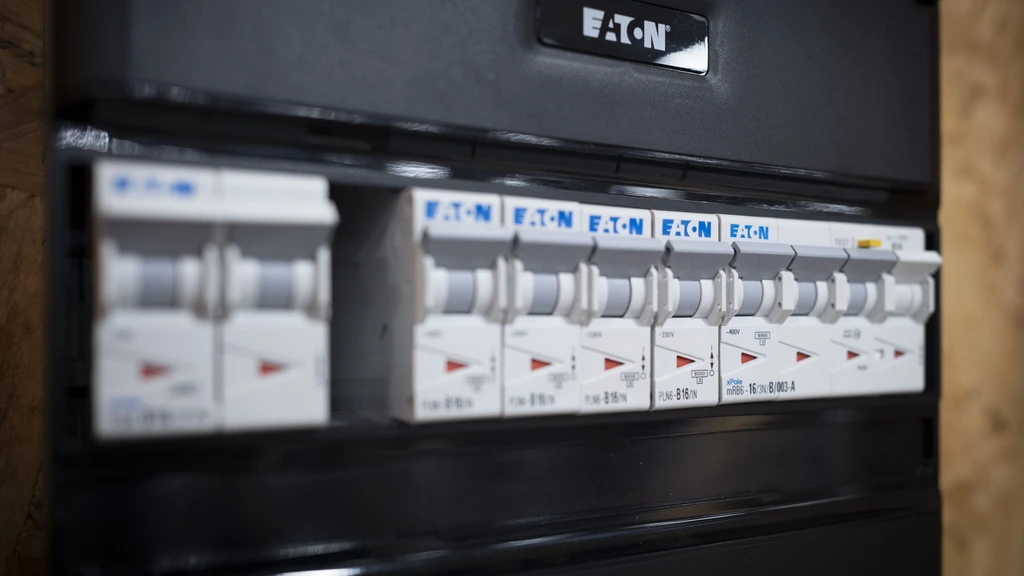
Fires in electrical meter cabinets are becoming more frequent in the Netherlands, according to RTL Nieuws. Experts attribute this rise to the increased electrical load from devices like heat pumps, EV charging stations, and solar panels, which older cabinets were not designed to handle. These modern appliances draw significantly more power for extended periods, leading to overheating risks if the cabinets are not adequately equipped or ventilated.
Installers are sometimes adding new circuits without properly assessing the cabinet's capacity, often resulting in overloaded systems. The complexity of these new devices, requiring sustained power draw unlike simpler appliances, further exacerbates the issue. Advice bureau Krado, monitoring household electrical accidents for Netbeheer Nederland, reports an increase from two incidents per week to three.
Experts observe that installation responsibilities are fragmented, with different trades installing various components without a central coordinator assessing the total load on the meter cabinet. This can lead to issues like loose or undersized wiring and overcrowded cabinets. Homeowners are advised to hire certified electricians with 'zegelrecht' (seal rights), indicating their authorization to modify the main connection, and to keep meter cabinets clear of clutter, as stored items can accelerate fire spread.
The increasing incidence of fires in Dutch electrical meter cabinets highlights a systemic challenge in adapting aging infrastructure to the demands of modern energy technologies. As households integrate high-draw appliances like heat pumps and EV chargers, the electrical grid's edge, specifically the meter cabinet, becomes a critical bottleneck. This situation underscores a potential mismatch between regulatory frameworks for new technology adoption and the physical capacity of existing residential electrical systems. The fragmented installation responsibility suggests a need for more integrated oversight and certification processes to ensure that the cumulative impact of multiple installations is adequately managed, preventing future incidents and ensuring grid stability.
AI-generated to prompt reflection — not editorial opinion, not advice, not a statement of fact. How this works.