Dutch Euthanasia Data Reveals Healthcare Gaps May Drive Up Requests
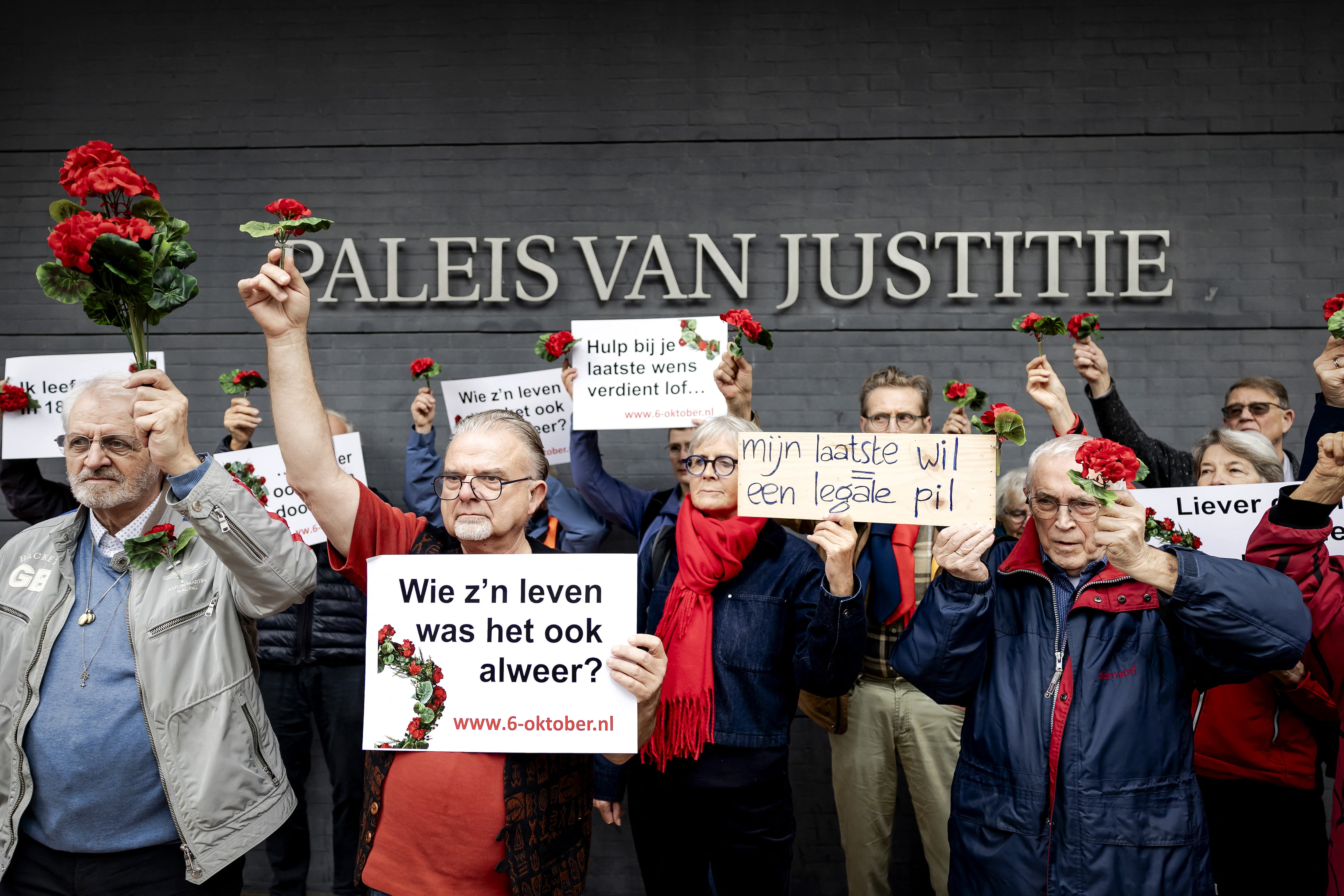
A comprehensive review of over 10,000 euthanasia cases in the Netherlands has identified indirect factors that could lead to an increase in the practice. For the first time, systemic issues within the healthcare system are being highlighted as potential contributors. These challenges include significant care deficits in complex mental health cases, a persistent shortage of medical personnel, and the impact of budget cuts. The Netherlands, a pioneer in assisted dying, is now facing scrutiny over how these healthcare deficiencies might indirectly facilitate a rise in euthanasia requests. The findings suggest that while the country has a well-established framework for euthanasia, underlying problems in healthcare provision could be influencing its application. This analysis underscores the need to address these systemic gaps to ensure that euthanasia is not sought due to a lack of adequate care or support.
This data review in the Netherlands suggests a potential correlation between healthcare system shortcomings and increased euthanasia requests. The identified factors—complex mental health care gaps, staffing shortages, and budget constraints—point to systemic pressures that may indirectly influence end-of-life decisions. Analyzing these dynamics through a decade-long lens, it's crucial to consider how evolving societal expectations and technological advancements in care might interact with existing healthcare governance. Addressing these structural issues proactively could mitigate the risk of euthanasia being perceived as a default solution when comprehensive care is unavailable, thereby upholding the ethical integrity of assisted dying frameworks.
AI-generated to prompt reflection — not editorial opinion, not advice, not a statement of fact. How this works.