Dutch farmers embrace salt-tolerant quinoa as climate change impacts agriculture
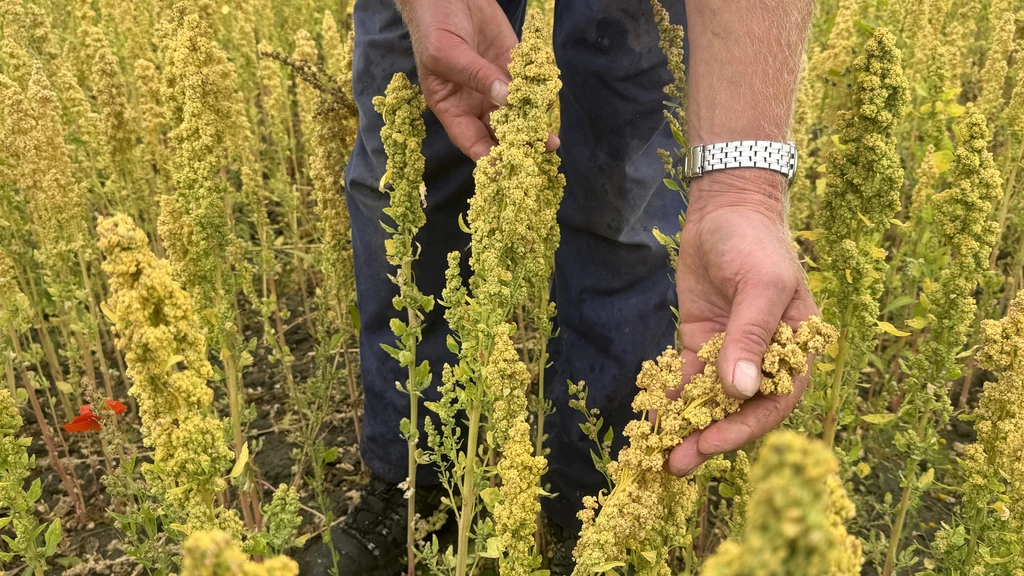
Dutch agriculture is facing increasing challenges from soil salinization, exacerbated by drought conditions linked to climate change. Akkerbouwer Renze Rispens, located near the coast in Vierhuizen, Groningen, has begun cultivating quinoa as a resilient alternative to traditional crops like onions and potatoes, which are sensitive to salty soil. Rispens' farm is situated in an area historically prone to salinization, a problem expected to worsen with rising sea levels and reduced freshwater availability for coastal defenses. More than 24 farmers across the Netherlands are now growing this South American seed, with Rispens noting that quinoa thrives even under current dry, salty conditions. Researcher Robert van Loo from Wageningen University & Research, nicknamed 'Mister Quinoa,' has been instrumental in developing European quinoa varieties since the 1990s. He cross-bred Ecuadorian and Chilean strains to overcome issues with day length sensitivity and bitterness, creating a base for European cultivation. Quinoa's natural salt tolerance, developed over millennia near the Andes' Titicaca Lake, allows it to withstand significantly higher salt concentrations in water than staple crops like potatoes. The company GreenFood50, founded by Marc Arts, supports these farmers, managing contracts and aiming to establish a market for locally grown quinoa. The initiative has led to approximately 200 hectares of quinoa cultivation, yielding around 600 tons annually. Supermarket chain Jumbo has committed to exclusively selling Dutch organic quinoa under its house brand for the next three years, partnering with twelve GreenFood50 farmers. While currently more expensive than imported South American quinoa, Jumbo expresses confidence in the long-term viability of the domestic product. Quinoa, once perceived as a niche 'hippie' product, has gained broader acceptance and availability in the Netherlands, aligning with growing consumer interest in plant-based proteins.
The increasing cultivation of quinoa in the Netherlands highlights a strategic adaptation to environmental pressures, particularly soil salinization driven by climate change and drought. This shift demonstrates agricultural resilience, leveraging a crop's natural tolerance to adverse conditions to maintain productivity and economic viability where traditional crops falter. The development of European quinoa varieties by researchers like Robert van Loo signifies innovation in crop science, addressing specific regional challenges and market demands. The involvement of companies like GreenFood50 and retailers such as Jumbo indicates a growing market for sustainable, locally sourced food, potentially influencing future agricultural investment and policy. This trend may encourage further research into other climate-resilient crops and farming techniques, fostering a more adaptable and robust food system for the coming decades.
AI-generated to prompt reflection — not editorial opinion, not advice, not a statement of fact. How this works.