Dutch Farmers Mobilize Over Stricter Nitrogen Emission Plans
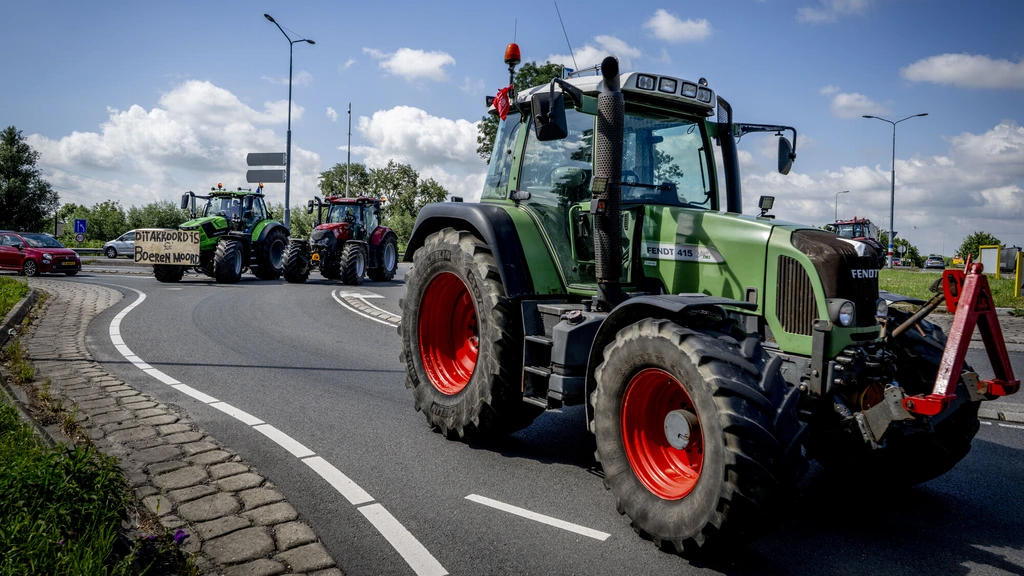
Approximately one hundred farmers gathered in Hardenberg, Netherlands, to discuss the government's new nitrogen emission reduction plans. The meeting, organized by dairy farmer Everdien Kuiper, aimed to clarify the cabinet's proposals, explain their regional implications, and explore potential actions. Kuiper expressed concern that many farmers are unaware of the full impact of these measures, stating that farmers are prepared to take action once the consequences become clear, likely through local and regional protests.
The government's plan, presented on June 26, involves creating one-kilometer zones around fifteen major nature areas and 500-meter zones around 85 others. Farmers within these zones may be required to cease operations, relocate, or invest in emission-reducing technologies. Nationally, the cabinet aims to cut agricultural nitrogen emissions by 42-46% compared to 2019 levels. Erik Luiten, chairman of the farmers' group Agractie, noted a significant increase in farmer unrest, predicting initial actions to commence next week. Luiten highlighted that while farmers are willing to invest, the current proposals lack a viable business model, requiring substantial investment without a guaranteed return.
The cabinet acknowledges the hardship these measures will cause but deems them unavoidable for resuming permit issuance for housing and infrastructure projects. Minister Van Essen of Agriculture has cautioned against diluting the plan, emphasizing its interconnectedness. The government has allocated 20 billion euros to support farmers in transitioning, whether through switching operations, reducing intensity, relocating, or exiting the industry. The Ministry of Agriculture stated its commitment to ongoing dialogue with farmers, asserting that the nitrogen package will ultimately create space for agriculture, nature, and construction.
The Dutch government's nitrogen reduction strategy, while framed as essential for environmental recovery and economic development (enabling construction permits), presents significant economic challenges for the agricultural sector. Farmers are being asked to undertake substantial investments without clear revenue models, creating a disconnect between policy objectives and business viability. This situation highlights a systemic tension between environmental regulation and the economic sustainability of established industries. The substantial government funding offered suggests an acknowledgment of the disruptive impact, but the success of these measures will depend on whether the support adequately addresses the farmers' concerns about long-term profitability and operational feasibility. Future policy might benefit from more integrated approaches that co-design solutions with affected industries, ensuring that environmental goals are pursued in a manner that fosters innovation and economic resilience rather than solely imposing costs.
AI-generated to prompt reflection — not editorial opinion, not advice, not a statement of fact. How this works.