Dutch Government Authorizes Culling of Problem Wolves Amid Rising Incidents
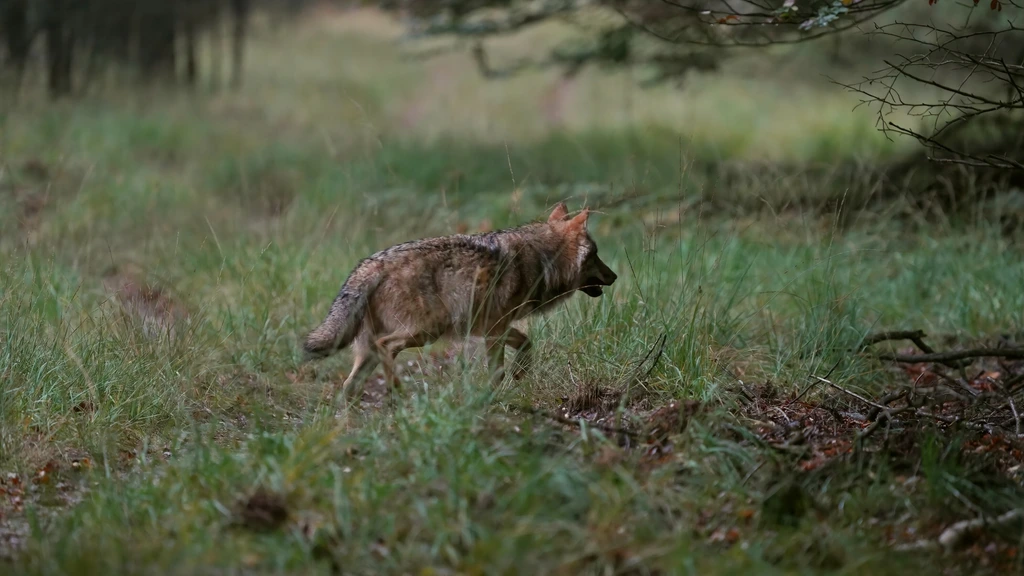
The Dutch government will soon allow municipalities and provinces to cull "problem wolves" that pose a threat to public safety or livestock. A new decree, an Algemene Maatregel van Bestuur (AMVB), will enable the issuance of permits for culling if wolves attack people, exhibit aggressive behavior, or repeatedly attack horses or livestock on two separate occasions within a two-week period. State Secretary Erkens (VVD) believes the situation has escalated to a point where immediate action is necessary, even before the parliamentary recess and subsequent debate. These stricter regulations are set to take effect in two weeks, aiming to prevent dangerous situations, particularly with the upcoming cub and recreation seasons. Municipalities and provinces have also called for such measures. A problem wolf is defined as an animal that injures humans, reacts aggressively, or attacks livestock or horses in enclosures twice within two weeks. The cabinet is developing a broader "legally sound management strategy" as requested by Parliament, but Erkens wants to provide interim measures for dealing with incidents due to increasing wolf-related events. Previously, permission to cull a problem wolf named Bram in Utrecht was granted but later invalidated due to procedural issues. Additionally, scaring wolves with methods like paintball guns or loud noises and lights will be permitted more readily. Erkens noted in April that current regulations were too restrictive, leading to decreasing public support and polarization. With an estimated fourteen wolf packs now in the Netherlands, the wolf's return has divided opinions between nature advocates, who see it as an ecological enrichment, and farmers and residents who view it as a threat due to livestock attacks and sightings near schools. The wolf's protected status has been downgraded within the European Union from "strictly protected" to "protected," granting member states more flexibility in developing their own culling policies.
The Dutch government's decision to expedite the culling of problem wolves reflects a growing tension between wildlife reintegration and public safety/economic concerns. While framed as a response to escalating incidents, this policy shift may signal a broader recalibration of conservation strategies in densely populated European nations. The move, enabled by a revised EU protected status for wolves, allows national authorities greater discretion. This presents a complex governance challenge: balancing the ecological benefits of apex predators with the immediate needs of rural communities and the potential for public backlash. Future management will likely involve navigating evolving scientific understanding of wolf behavior, the effectiveness of non-lethal deterrents, and the long-term sustainability of coexistence models in a landscape increasingly shaped by human activity and technological advancements.
AI-generated to prompt reflection — not editorial opinion, not advice, not a statement of fact. How this works.