Dutch Government to Ban Temporary Staff in Meat Sector Amid Labor Abuses
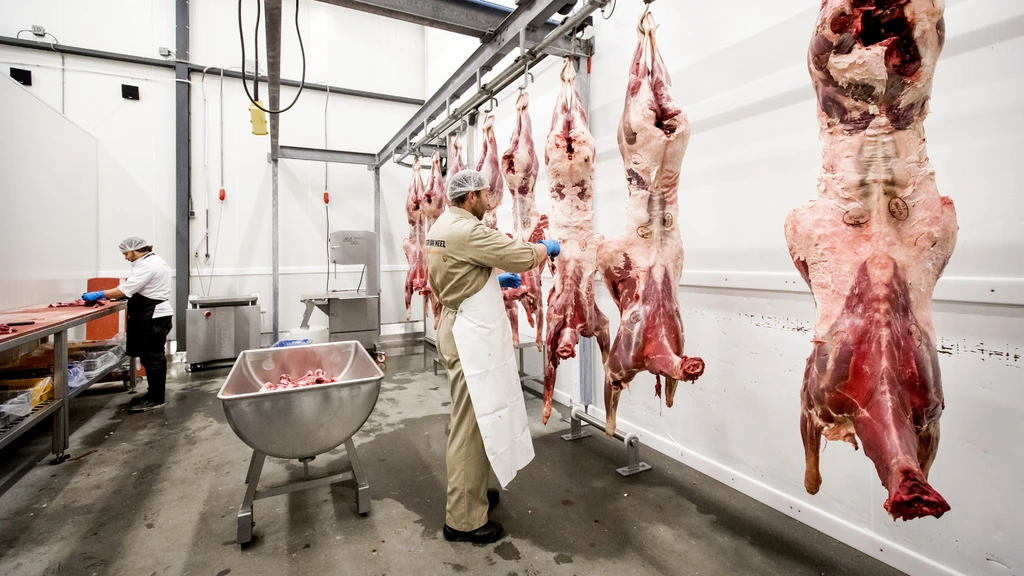
The Dutch cabinet is preparing to implement a ban on the use of temporary agency workers in the meat processing industry, with the prohibition expected to take effect around mid-2028. This decision follows years of persistent labor abuses within the sector, which primarily affect migrant workers. These issues include underpayment, excessive working hours, substandard housing conditions, and workplace safety concerns, alongside reports of intimidation and violence. Minister Vijlbrief of Social Affairs and Employment has previously warned the sector, noting that 29 discussions since 2010 have failed to yield sufficient improvements. A June 15 deadline for the sector to implement changes has passed without adequate progress. If enacted, the ban would prohibit the hiring of any temporary labor in meat processing facilities. Predecessor Van Hijum had also been working on a similar prohibition. Representatives from the meat and temporary staffing industries have expressed concerns that the ban could increase meat prices and create an uneven competitive landscape compared to sectors still permitted to use temporary staff.
The Dutch government's proposed ban on temporary labor in the meat sector addresses systemic issues of worker exploitation and poor conditions, particularly for migrant laborers. This policy shift reflects a growing regulatory focus on labor standards and ethical supply chains. While intended to rectify past abuses and ensure fairer employment practices, the ban's potential economic consequences, such as increased operational costs and potential price hikes for consumers, warrant careful consideration. The long-term impact will depend on the sector's ability to adapt by integrating permanent staff, potentially leading to greater job security and improved working environments, or conversely, to market disruptions and competitive disadvantages if not managed effectively. Future policy may need to balance worker protections with economic stability, possibly through phased implementation or support mechanisms for businesses transitioning to a permanent workforce model.
AI-generated to prompt reflection — not editorial opinion, not advice, not a statement of fact. How this works.