Dutch Greenhouse Growers Face Water Restrictions Amid Drought Fears
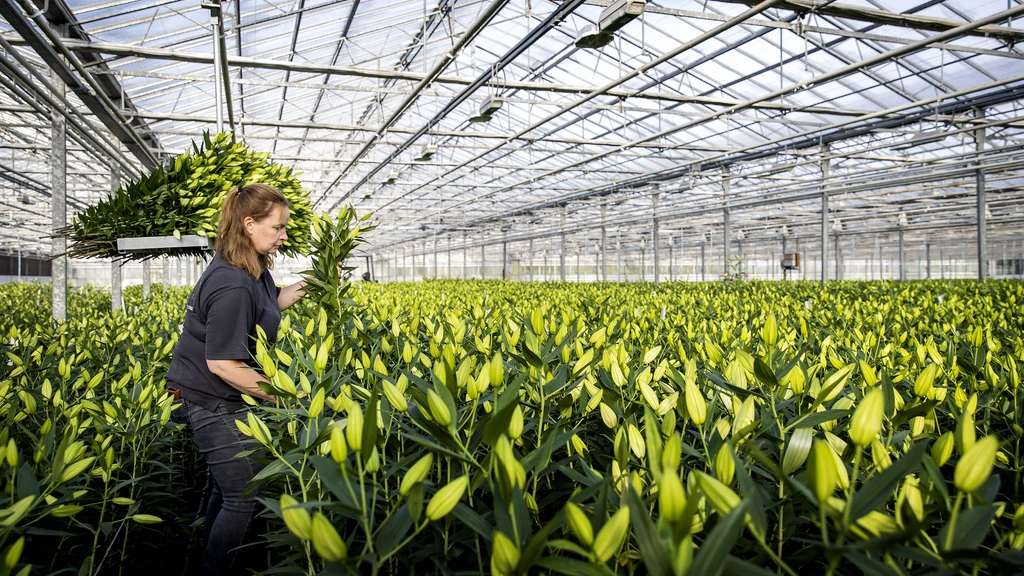
A water spraying ban has been implemented in the western Netherlands starting Wednesday, impacting greenhouse farmers who rely on surface water. Glastuinbouw Nederland, a growers' organization, requested an exemption to draw water from ditches at night, but the Delfland Water Authority denied this request. The authority, responsible for the region between The Hague and Rotterdam, cited the need to guarantee regional safety during a "very difficult situation." Additional measures include closing sluices to prevent saltwater intrusion into freshwater sources, a critical step to avoid irreversible damage. While Delfland is taking these strict actions, they are allowing growers to fill their reservoirs until midnight. Enforcement officers will monitor compliance with the ban, according to Omroep West.
Glastuinbouw Nederland estimates that over 150 growers, particularly those cultivating crops in open ground and dependent on ditch and rainwater basin supplies, will face significant problems. A survey among members in Westland and Oostland indicated that only ten percent have alternative water sources. Three-quarters of these growers anticipate exhausting their water supply within two to three weeks, potentially leading to financial damages estimated at 150 million euros. The growers have proposed using treated sewage water or even saltwater, arguing that "almost any water is better than no water." Delfland is investigating these options but considers them undesirable, hoping instead for rain. To preserve freshwater levels, Delfland, like its neighboring Rijnland authority, is storing freshwater in reservoirs typically used for heavy rainfall. Significant volumes have been added to natural area De Wollebrand and a polder in Berkel en Rodenrijs to maintain water levels in ditches and canals, preventing dike desiccation and cracking.
The implementation of a spraying ban by the Delfland Water Authority highlights the escalating water scarcity challenges in the Netherlands, exacerbated by climate change and increased demand. While the authority's mandate to ensure regional safety and prevent irreversible damage through measures like saltwater exclusion is clear, the economic impact on the greenhouse horticulture sector, a significant contributor to the Dutch economy, is substantial. The growers' proposed solutions, while potentially suboptimal, underscore a critical need for innovative water management strategies. This situation presents a systemic challenge, requiring a re-evaluation of water allocation policies, investment in advanced water purification and desalination technologies, and potentially a shift towards less water-intensive agricultural practices to ensure long-term resilience in the face of predictable future droughts.
AI-generated to prompt reflection — not editorial opinion, not advice, not a statement of fact. How this works.
