Dutch Grid Operator Installs Gas Generators to Stabilize Utrecht's Power Supply
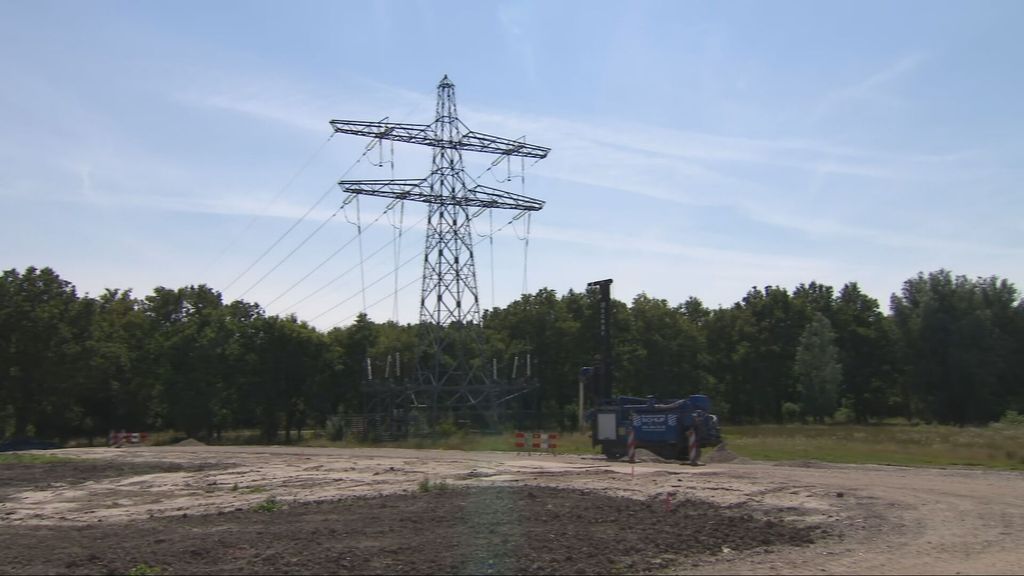
Grid operator Stedin is installing gas generators near Utrecht to ensure the reliability of the local power grid, particularly during peak demand on cold winter days. A foundation has been laid and a grid connection established at the Strijkviertel site, where the generators will soon be assembled. These devices burn natural gas to produce electricity locally, a measure deemed necessary due to severe grid congestion in the Utrecht region. As of July 1, new connections for consumers and businesses in Utrecht are on hold, with applicants placed on a waiting list. This issue, known as grid congestion or 'netcongestie', occurs when there is sufficient electricity but not enough capacity in the cables to transport it, similar to traffic jams on a road. While the problem affects most of the Netherlands, Utrecht and East Brabant are experiencing the most significant challenges. The Strijkviertel generators are intended to prevent power outages during peak demand moments, with Stedin's operational director, Aline Arends, estimating they will operate only a few days a year. Stedin plans to install generators at three other locations around Utrecht and may expand the initiative to other regions, while other grid operators like Enexis and Liander are also considering flexible power generation solutions. These initial generators are primarily for network stability and safety rather than enabling new connections, though later projects aim to create such capacity. The generators are expected to remain in place for ten to fifteen years, during which time national grid operator TenneT will upgrade the high-voltage grid, with a new substation north of Utrecht anticipated to be operational by 2031. Stedin has not disclosed the exact costs but indicated it is part of broader grid expansion investments, likely amounting to tens of millions of euros. Arends described the generators as "transition gas, or a bit of grey for green," emphasizing their role in facilitating the ongoing energy transition by enabling further renewable energy deployment elsewhere, ultimately leading to reduced CO2 emissions.
The deployment of gas generators by Stedin in Utrecht highlights a critical tension in the energy transition: the immediate need for grid stability versus the long-term goal of decarbonization. While these generators are framed as a temporary measure to manage grid congestion, their reliance on natural gas represents a step back from renewable energy targets. This situation underscores the immense challenge of upgrading aging grid infrastructure to accommodate the intermittent nature of renewables and increasing demand from electrification. The substantial investment in gas generators, even for limited use, raises questions about capital allocation and whether such solutions could inadvertently prolong reliance on fossil fuels. Future grid planning must prioritize investments in flexible grid technologies, demand-side management, and accelerated deployment of renewable energy sources to avoid such "grey for green" compromises and ensure a truly sustainable energy future within the next decade.
AI-generated to prompt reflection — not editorial opinion, not advice, not a statement of fact. How this works.