Dutch Grid Operators Shocked by Unusual Tilburg Power Cut Affecting 18,000 Homes
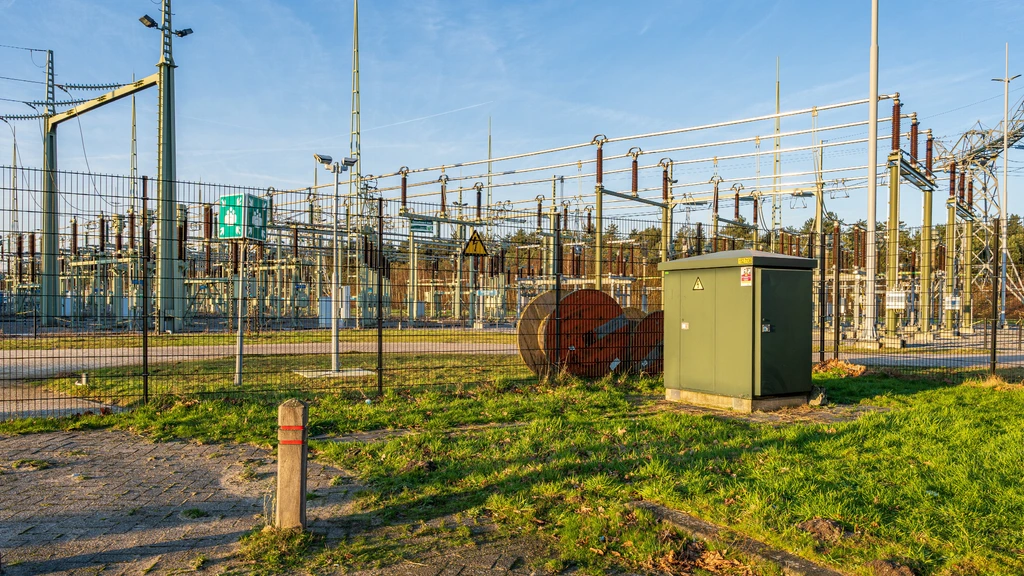
Grid operator Enexis implemented an "unusual" and "drastic" measure, cutting power to 18,000 households in Tilburg for seventeen minutes around 11:30 AM. The emergency action was taken due to a perceived threat of grid overload, a move other grid operators, including Alliander and Tennet, understand as necessary to prevent actual grid damage. While the outage was brief, it caused significant disruption, including traffic light failures, elevator entrapment in a residential building, and television service interruptions. Enexis is currently investigating the exact cause of the perceived overload, as there were no immediate indicators suggesting such a surge in demand, especially on a Sunday without extreme weather conditions. This incident highlights ongoing capacity issues within the Dutch electricity grid, a problem exacerbated by the energy transition. Increased demand for electricity from electric vehicle charging, induction cooktops, solar panel inverters, and heat pumps is straining the network. Grid operators are struggling to keep up, with companies unable to secure heavy grid connections and stricter conditions for three-phase connections now in place. Alliander is exploring capacity-limiting contracts with large energy users, and Tennet is developing an NL-Alert-like system to warn households of impending grid overload. Enexis had previously warned that it could not guarantee uninterrupted power supply during winter due to these capacity constraints.
This incident underscores the systemic challenges of modernizing critical infrastructure to meet evolving energy demands. The Dutch grid's current capacity limitations, amplified by the rapid adoption of renewable energy sources and electrification trends, present a significant governance and investment challenge. While emergency measures like localized power cuts are understandable to prevent catastrophic failure, their increasing frequency could erode public trust and highlight the need for proactive, large-scale grid upgrades. The situation necessitates a forward-looking strategy that balances the imperative of decarbonization with the practical realities of grid stability and resilience, potentially involving more sophisticated demand-side management and accelerated infrastructure development to avoid future disruptions.
AI-generated to prompt reflection — not editorial opinion, not advice, not a statement of fact. How this works.