Dutch Housing Minister Scraps Plan to Legalize Holiday Home Living
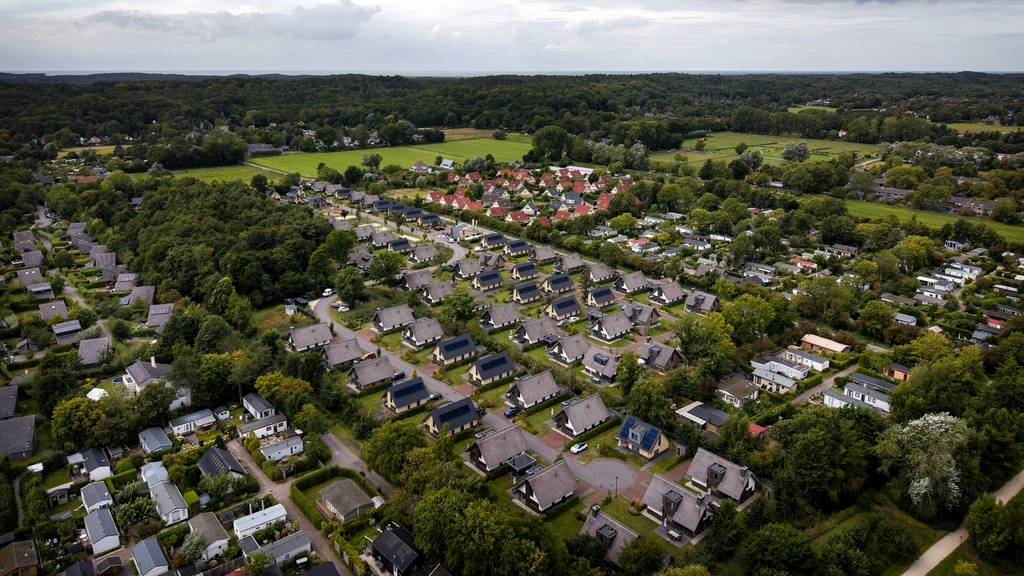
Dutch Minister for Housing, Pieter Boekholt-O'Sullivan, has decided to abandon a previous government's plan to legalize living in holiday homes for a ten-year period. Instead, the new government's focus will be on allowing current permanent residents of holiday homes to remain, intervening only in cases with "compelling reasons." The minister acknowledged the severe housing shortage, which forces some individuals to seek accommodation in holiday homes. She deemed the previous proposal unfeasible due to its failure to adequately address the diverse circumstances of residents, such as whether they own or rent their dwelling.
Agreements have been made with municipalities to permit existing residents to stay in their holiday homes, unless there are specific issues like unsafe conditions, undermining activities, or other significant concerns. In such situations, cases will be assessed to determine if they are "heart-wrenching situations" requiring tailored solutions, or if residents are self-sufficient and can be given a deadline to find new housing. Minister Boekholt-O'Sullivan assured in a letter to the House of Representatives that residents will not be arbitrarily displaced. It is noted that recreational properties are not constructed to the same stringent standards as permanent dwellings. Last year, nearly 60,000 individuals were registered at holiday parks, though the actual number of permanent residents is likely higher.
The Dutch government's decision to halt the legalization of permanent residency in holiday homes reflects a pragmatic response to the ongoing housing crisis, prioritizing the status quo for existing residents over a potentially complex and unworkable legislative change. This approach acknowledges the immediate need for housing while sidestepping the challenges of retrofitting recreational properties to meet permanent dwelling standards. The policy's emphasis on case-by-case assessment for "compelling reasons" suggests a balancing act between humanitarian concerns and regulatory enforcement. Looking ahead, this situation highlights the systemic pressure on housing markets and the increasing demand for flexible, albeit non-standard, accommodation solutions. Future policy may need to address the underlying affordability and availability issues that drive people to seek housing in non-traditional settings, rather than solely focusing on enforcement or temporary legalizations.
AI-generated to prompt reflection — not editorial opinion, not advice, not a statement of fact. How this works.