Dutch infrastructure crumbling: Summer of traffic jams and detours ahead
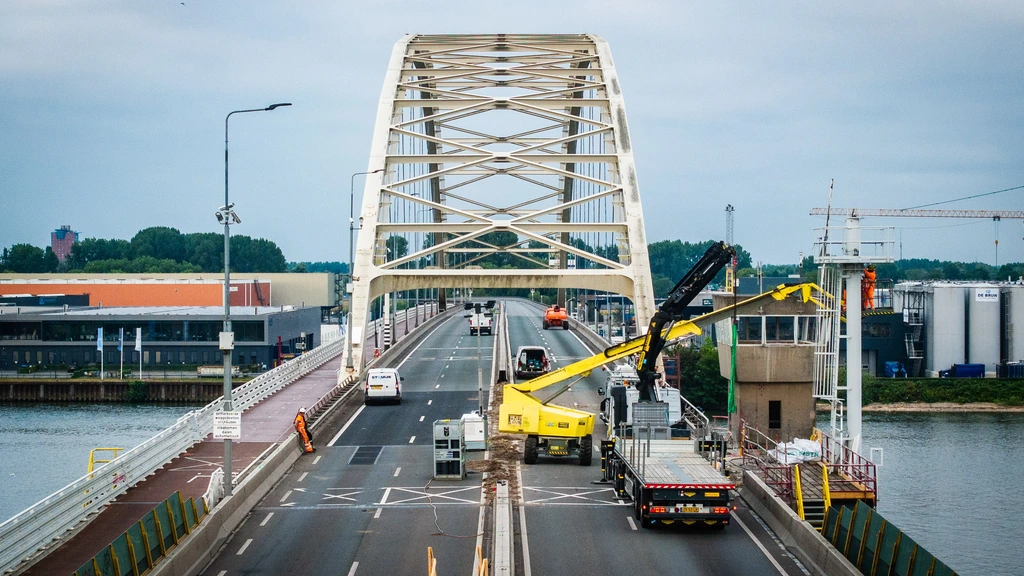
The Netherlands faces a summer of significant traffic disruptions as hundreds of kilometers of roads, bridges, and viaducts require urgent replacement due to reaching the end of their lifespan. This year, the focus of these extensive roadworks is around Rotterdam, with the Papendrecht Bridge between Dordrecht and Papendrecht becoming a critical bottleneck. This bridge will be closed to all traffic, including vehicles, cyclists, and shipping, for nine months. To mitigate the impact, extra ferry services have been implemented, though they are already experiencing overcrowding. Some businesses feared bankruptcy if shipping traffic halted completely, prompting Rijkswaterstaat to allow limited passage for large vessels once a month, extending the bridge's repair time to at least nine months. This duration is considered exceptional by Rijkswaterstaat itself. In contrast, the Algera Bridge will only be closed for four weeks in August. Rijkswaterstaat is collaborating with Google and Apple to integrate work schedules into navigation systems, alongside advising citizens to work from home or travel outside peak hours. The closure of the Merwede Bridge for trucks on the A27 near Gorinchem further complicates travel, forcing trucks onto lengthy detours and significantly increasing travel times, potentially by 45 to 60 minutes or more. The transport sector anticipates substantial cost increases due to extended routes and higher fuel prices, with one company estimating an additional ten thousand euros per week. Despite the inconvenience, this essential maintenance is necessary, with Rijkswaterstaat aiming to complete detour route upgrades before commencing work on the Van Brienenoord Bridge, the busiest in the Netherlands, in 2025, with its extensive repairs lasting until 2033.
The extensive infrastructure decay highlighted by the Dutch roadworks points to a systemic underinvestment in public works over recent decades. The current situation, characterized by prolonged closures and significant economic impact on transport and local businesses, reflects a failure to proactively manage asset lifecycles. The reliance on emergency measures like increased ferry services and the disruption to shipping traffic reveal the trade-offs inherent in deferring essential maintenance. As the Netherlands prepares for further major projects, including the Van Brienenoord Bridge, a more strategic, long-term approach to infrastructure renewal is critical. This includes exploring innovative funding models and construction techniques to minimize public disruption and ensure the resilience of national transport networks in the face of increasing demand and environmental challenges.
AI-generated to prompt reflection — not editorial opinion, not advice, not a statement of fact. How this works.