Dutch Institute to Investigate Online Medication Use Amid Safety Concerns
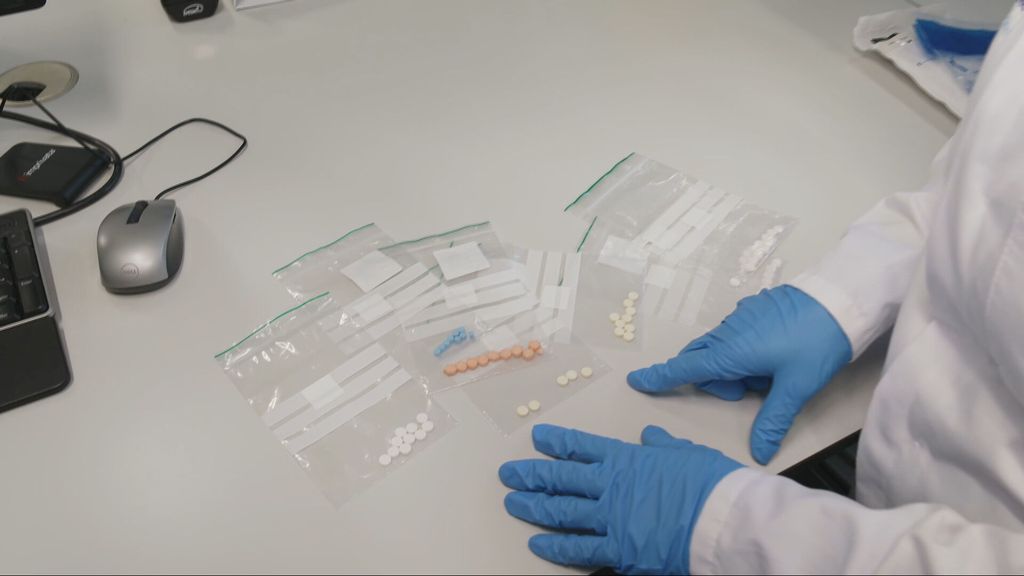
The Trimbos Institute in the Netherlands is launching a new study into self-medication, focusing on individuals who purchase medication online without medical supervision. The research aims to determine the prevalence of this practice and the underlying reasons why people turn to online sources for their medication. Previously, the institute examined the online availability of these substances but lacked a clear understanding of the user demographic and their motivations. Laura Smit-Rigter, national coordinator for the Trimbos Institute's Drug Information and Monitoring System, suggests that some individuals may have previously received care but have since fallen out of the healthcare system. The Trimbos Institute intends to explore strategies for guiding these users back into regular healthcare channels. Alternatively, she notes, some individuals might lack trust in the established healthcare system. This investigation is commissioned by the Dutch Minister of Health, Sophie Hermans, who cited recent reports of deaths potentially linked to the sale of designer drugs and counterfeit medicines. Last autumn, dozens of deaths were reportedly connected to medication from the website Funcaps, which, along with numerous others, has been taken offline, though many reappear under different names. Toxicologist Corine Bethlehem of Erasmus MC observes a rise in patients using sites for self-medication, ordering substances like benzodiazepines and oxycodone. Smit-Rigter highlights significant risks, including the possibility of counterfeit drugs with unknown dosages or compositions, which can be life-threatening. The accessibility of these medications has dramatically increased, moving from the dark web with cryptocurrency payments to easily accessible websites accepting iDEAL and delivering directly to homes. Regina Hobé shared the tragic experience of losing her 24-year-old son, Joshua, to a fatal combination of chemically sourced pills bought online. Toxicologist Bethlehem predicts self-medication will become a serious healthcare challenge, urging healthcare professionals to increase warnings, engage with users to understand their motivations, and for doctors to become more vigilant in recognizing potential substance use. Smit-Rigter concurs, emphasizing the need for doctors and pharmacists to prioritize this issue alongside efforts to shut down illicit websites. The Trimbos Institute expects to release its research findings next year.
The Dutch government's initiative to study online medication purchases reflects a growing public health concern driven by increased accessibility and potential risks associated with unregulated drug sourcing. The rise of user-friendly platforms and payment methods for substances previously confined to the dark web signifies a shift in how individuals seek and obtain medication, bypassing traditional healthcare gatekeepers. This trend raises critical questions about patient trust in conventional medical systems, the effectiveness of current regulatory frameworks in controlling online pharmaceutical markets, and the potential for widespread harm from counterfeit or dangerously dosed substances. Future healthcare strategies will likely need to balance patient autonomy and access with robust public safety measures, potentially involving enhanced digital surveillance, public education campaigns, and a re-evaluation of how healthcare providers engage with patients expressing dissatisfaction or distrust in the system. The challenge lies in addressing the root causes of self-medication without alienating vulnerable populations or creating new barriers to care.
AI-generated to prompt reflection — not editorial opinion, not advice, not a statement of fact. How this works.