Dutch Intelligence Missed Russia's Ukraine Invasion Due to Source Reliance
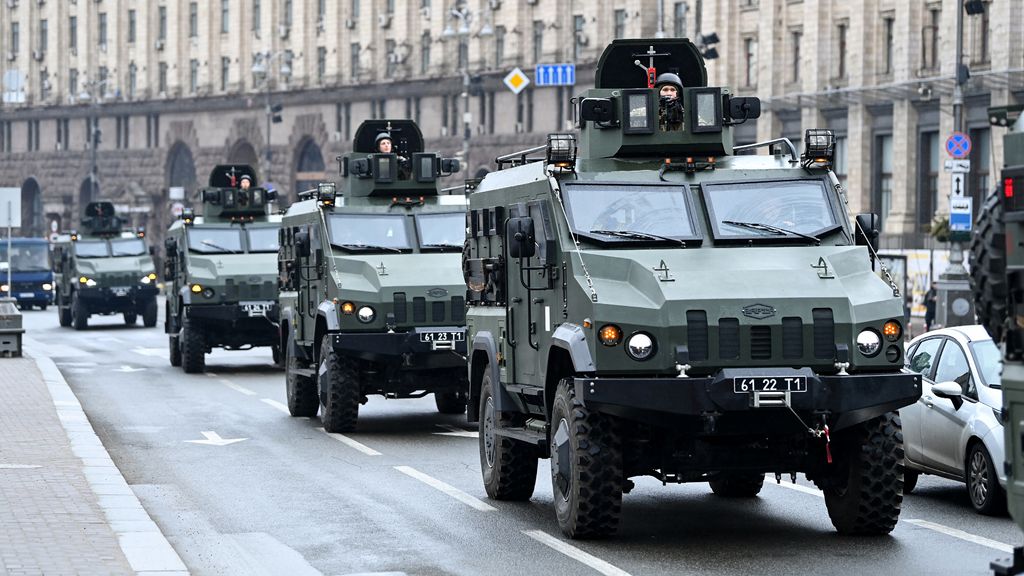
The Dutch intelligence services, AIVD and MIVD, were convinced until the last moment that Russia would not invade Ukraine. This assessment was based on analysis from a "unique source" within the Russian security apparatus, according to a Volkskrant reconstruction. This source was reportedly close to President Putin and had been valuable for years, providing insights into the Russian security apparatus. The Dutch services interpreted the troop buildup as pressure tactics in negotiations, believing Putin would not risk his bargaining position by attacking. This analysis was shared with U.S. President Biden, who had been warning of an impending invasion since autumn 2021. Some involved Dutch intelligence officers and high-ranking officials now believe this miscalculation caused the Netherlands to miss a small window of opportunity to deter Russia. They suggest a united military and economic stance from the U.S. and Europe might have deterred Putin. Furthermore, the flawed analysis meant European countries did not provide additional support to Ukraine in the months preceding the invasion. The AIVD and MIVD confirmed they reviewed the Volkskrant's account, with an anonymous AIVD official responding on their behalf. The Dutch services' skepticism was also influenced by the 2003 Iraq War, where faulty intelligence about weapons of mass destruction led to a costly invasion. Germany and France also shared skepticism about a potential Russian invasion, with one official describing the mood as being "dragged into a war." Ukraine itself did not anticipate a full-scale invasion until about three weeks prior, when evidence of blood plasma being moved to the front lines shifted their assessment from 'unlikely' to 'possible'.
The Dutch intelligence agencies' failure to anticipate the 2022 Russian invasion of Ukraine highlights the critical challenge of intelligence assessment, particularly when relying on single, albeit unique, sources. The reliance on a source within the Russian security apparatus, while seemingly providing privileged information, ultimately proved insufficient against a more comprehensive, albeit externally derived, threat assessment from the United States. This situation underscores the systemic risk of confirmation bias and the potential for a deeply embedded source to reflect internal Kremlin dynamics rather than the ultimate strategic intent of its leadership. The post-invasion realization that even the Russian security elite was largely unaware of Putin's plans indicates a concentration of decision-making power, making traditional intelligence gathering methods that focus on broader institutional awareness less effective. Future intelligence strategies may need to incorporate more robust multi-source verification, cross-validation with geopolitical and economic indicators, and a deeper understanding of autocratic leadership structures to mitigate such significant strategic surprise.
AI-generated to prompt reflection — not editorial opinion, not advice, not a statement of fact. How this works.