Dutch LGBTQ+ Rights Movement Advanced by 1977 Concert and Pioneering Acts
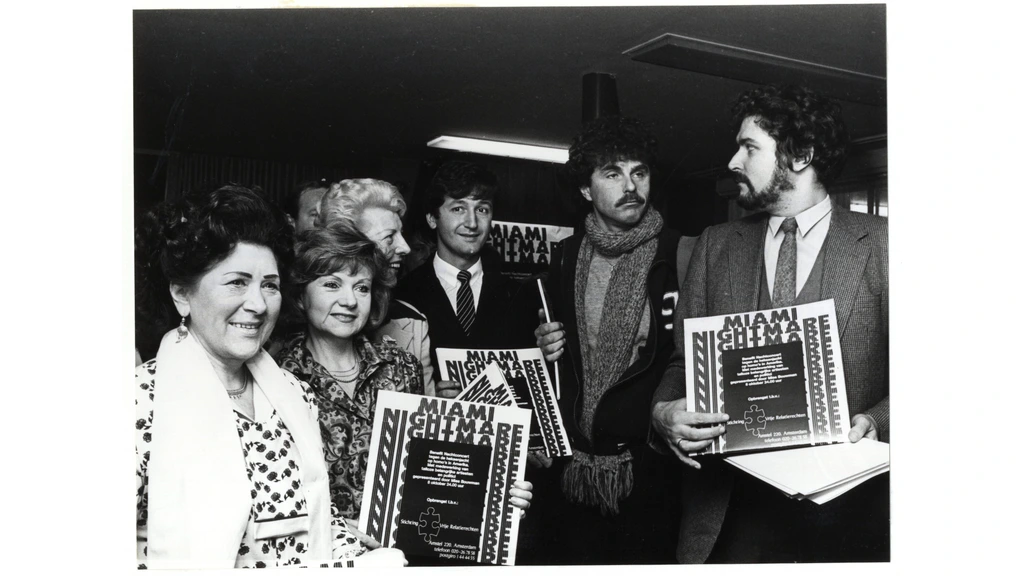
A significant moment for the LGBTQ+ rights movement in the Netherlands occurred in 1977 with a benefit concert at Amsterdam's Concertgebouw, featuring prominent Dutch stars. This event, held during a period of rising anti-gay sentiment, aimed to counter hate and support the community. Notable figures like television star Mies Bouwman and singer Zangeres Zonder Naam lent their voices to the cause. The concert's success, organized by Henk Krol, raised funds for an advertisement in Time Magazine and established a foundation that lobbied for marriage equality. This advocacy eventually led to the legalization of same-sex marriage in the Netherlands in 2001, making it the first country globally to do so. The concert was inspired by the global backlash against American singer and anti-gay activist Anita Bryant, who spearheaded the "Save our children" campaign. Zangeres Zonder Naam even composed a song titled "Luister Anita" specifically for the benefit. This pivotal evening is explored in the NOS podcast "Luister Anita," which revisits the origins of early LGBTQ+ protests in the Netherlands. The podcast also highlights other pioneering acts from 1977, such as writer Annie M.G. Schmidt's play featuring a same-sex kiss on stage, with actor Willem Nijholt performing the groundbreaking scene. These historical events continue to inspire contemporary artists like Merol, Paul de Leeuw, and Jeangu Macrooy, who advocate for louder self-expression and the protection of LGBTQ+ rights through their work. The podcast traces the evolution of LGBTQ+ activism from the first protest in 1969 against discriminatory laws to the ongoing Pride events, underscoring the persistent struggle against discrimination, which has seen a recent increase in incidents and violence in the Netherlands.
The historical account highlights the crucial role of cultural figures and organized events in advancing LGBTQ+ rights, demonstrating how collective action and public advocacy can shift societal norms and legal frameworks. The narrative contrasts periods of rising discrimination with the power of unified protest, suggesting that visibility and vocal opposition are essential for progress. The continued relevance of these historical struggles is underscored by contemporary challenges, indicating that the fight for equality is an ongoing process requiring sustained effort. The analysis of this event through a futurist lens suggests that while legal milestones like marriage equality are significant, broader societal acceptance and protection against discrimination remain critical, especially in an era where digital platforms can amplify both hate and solidarity.
AI-generated to prompt reflection — not editorial opinion, not advice, not a statement of fact. How this works.