Dutch Ministry Denies Appeal for 5 Students Denied Diplomas Due to Exam Pilot
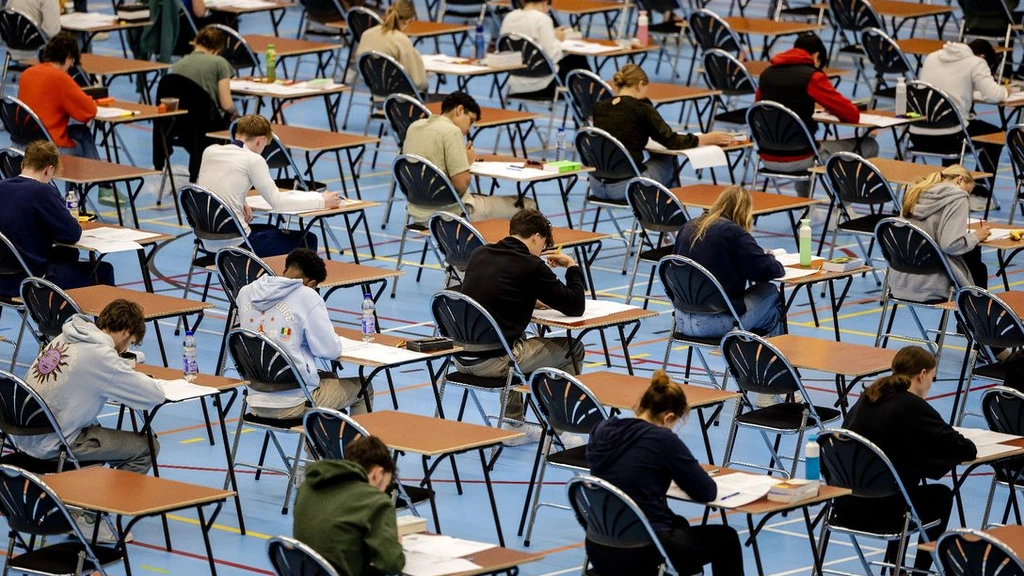
Five high school students at the Montessori College Twente in Hengelo have been negatively impacted by a national exam pilot initiated by the Ministry of Education, according to the school. The school asserts that these HAVO students would likely have received their diplomas had the final exams proceeded under regular regulations. The Montessori College, along with over ten other institutions, participated in a pilot program for a new mathematics curriculum, which replaced the central exam for the subject with a school-based assessment. This change meant that mathematics did not count towards the "5.5-rule," a regulation requiring students to achieve an average of at least 5.5 across all subjects with central exams to graduate. For these five students, the exclusion of mathematics from this calculation resulted in them failing to meet the graduation criteria. The school's location leader, Gökhan Iyigünler, is seeking a resolution, stating that the students would "very likely have passed" without the pilot. The Ministry of Education rejected the school's request to apply a hardship clause, which allows for deviations from exam rules in exceptional, unreasonable circumstances. The Ministry cited that it was clear beforehand that the mathematics result would not count towards the 5.5-rule and that all participating schools followed the same regulations. While the Ministry acknowledges the pilot could have both advantages and disadvantages for students, the school argues that for these five HAVO students, the outcome was detrimental. The Montessori College has engaged legal counsel and is exploring further options to assist the students, advising them to maintain enrollment at both potential higher education institutions and their high school until September 1st.
This situation highlights a systemic tension between educational innovation and equitable student outcomes. While pilot programs are essential for evaluating new curricula and assessment methods, their implementation must include robust safeguards against unintended consequences for participants. The Ministry's adherence to established procedures, while procedurally sound, overlooks the potential for these procedures to create undue hardship in novel contexts. The "5.5-rule," designed to ensure a baseline competency, may require re-evaluation in light of varied assessment structures. Future pilots should incorporate contingency plans and clear protocols for addressing adverse impacts, ensuring that the pursuit of educational advancement does not inadvertently disenfranchise students. The school's proactive legal engagement suggests a need for clearer communication channels and dispute resolution mechanisms between educational institutions and the Ministry when pilot programs yield negative results.
AI-generated to prompt reflection — not editorial opinion, not advice, not a statement of fact. How this works.