Dutch Municipalities Face Scrutiny Over Asylum Seeker Housing Delays
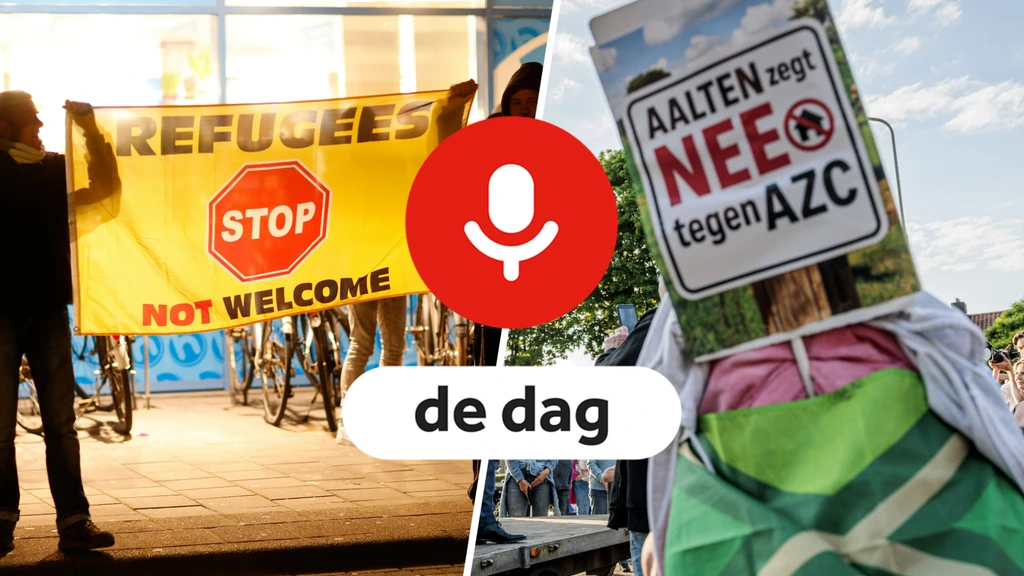
Ten Dutch municipalities have been summoned by the government for falling behind on implementing the national distribution law for asylum seekers. Minister Bart van den Brink has urged these municipalities to increase their efforts in providing accommodation. This podcast episode delves into the reasons behind the delays in three specific 'refusing municipalities': Westland, Valkenswaard, and Aalten. Regional reporters discuss the local debates, the persistent resistance, and the perspectives of residents, administrators, and politicians regarding asylum seeker reception.
In Westland, both the local government and residents are strongly opposed to accepting more asylum seekers, with a reported sentiment of wanting "zero asylum seekers." The municipality is already housing status holders and Ukrainian refugees and wishes to maintain this situation. Valkenswaard presents a different scenario; ten years ago, residents supported an asylum seeker center, but now the sentiment has shifted, and the municipality is not currently accommodating any asylum seekers. Local demand favors small-scale, dispersed reception, which would necessitate multiple sites to meet the national quota.
Aalten, meanwhile, expresses a desire to comply with the distribution law and establish reception facilities, but faces internal division among residents. Following protests, the municipality is actively searching for a suitable location. Local reporters note that Aalten feels it is unfairly placed on the list of refusing municipalities, believing they are making genuine efforts to find potential reception sites.
The situation highlights a recurring tension between national policy objectives and local implementation capacity and public sentiment in the Netherlands. Municipalities are tasked with fulfilling national mandates, such as asylum seeker distribution, yet face significant local resistance, often fueled by concerns over existing infrastructure, social cohesion, and perceived fairness. The varying local dynamics in Westland, Valkenswaard, and Aalten illustrate that a one-size-fits-all national approach may struggle against diverse community attitudes and political pressures. Future policy may need to incorporate more robust mechanisms for local engagement, resource allocation, and potentially phased implementation to balance humanitarian obligations with community acceptance and administrative feasibility, especially as demographic and geopolitical shifts continue to influence migration patterns.
AI-generated to prompt reflection — not editorial opinion, not advice, not a statement of fact. How this works.