Dutch Municipality Urges Minister to Address German Border Control Accidents
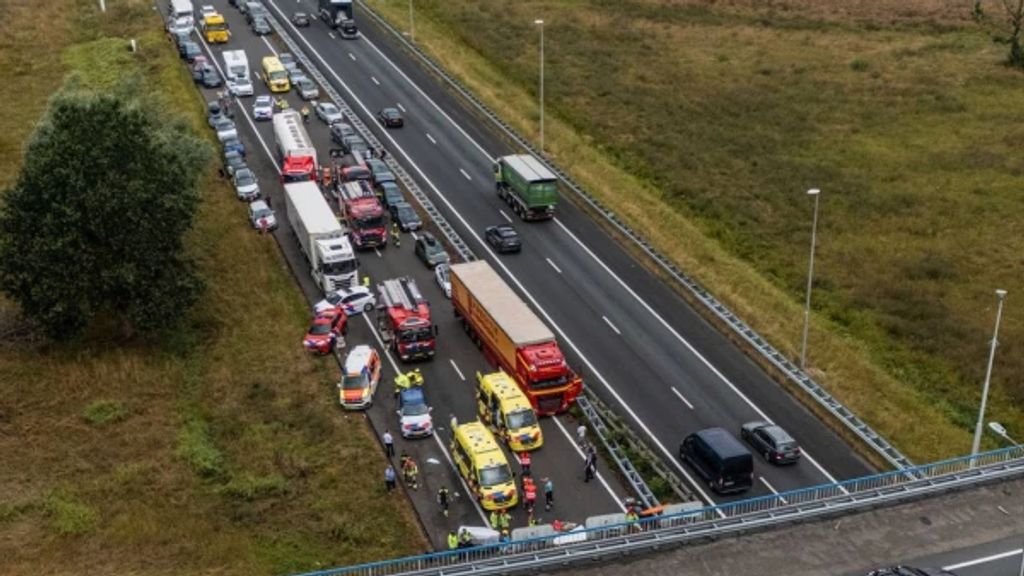
The Dutch municipality of Zevenaar is calling on Infrastructure Minister Mark Harbers to engage with his German counterpart regarding German border controls that are causing significant traffic issues and accidents. This plea follows a severe four-vehicle collision on the A12 highway near Babberich last Friday, which resulted in three injuries. Similar traffic jams have occurred on the A1 near De Lutte due to these controls. Since the implementation of German border checks in 2024, a series of accidents near the border has led to four fatalities and over ten injuries among motorists. Zevenaar's deputy mayor, Aad van Orden, stated that despite repeated requests to Germany for measures, no action has been taken, with Germany citing necessity. Regional officials feel they have reached their limit and are seeking national political intervention. The deputy mayor believes the accidents are not coincidental and stem from the border control situation, not just driver inattention. Previously, the mayor of Doetinchem and the mayor of Nijmegen have also criticized the chaos caused by these controls, with Nijmegen's mayor noting their limited effectiveness in preventing illegal immigration. The German government, represented by CSU minister Alexander Dobrindt, appears intent on continuing the controls beyond the summer. In relation to the recent A12 accident, police have arrested a 59-year-old truck driver from Germany on suspicion of causing injury in a traffic accident.
The situation highlights a cross-border governance challenge where national security measures, such as border controls, create significant negative externalities for neighboring communities and infrastructure. The repeated accidents and fatalities suggest a systemic issue stemming from the design or implementation of these controls, rather than isolated incidents. The Dutch municipality's appeal to national ministers indicates a failure of local and regional diplomatic efforts, pointing to a need for higher-level bilateral negotiation to balance security objectives with public safety and traffic flow. Future considerations should involve exploring technological solutions for traffic management at borders and reassessing the proportionality and effectiveness of current control strategies in the context of increased cross-border movement and the potential for unintended consequences.
AI-generated to prompt reflection — not editorial opinion, not advice, not a statement of fact. How this works.
