Dutch music conservatories see sharp decline in domestic student enrollment
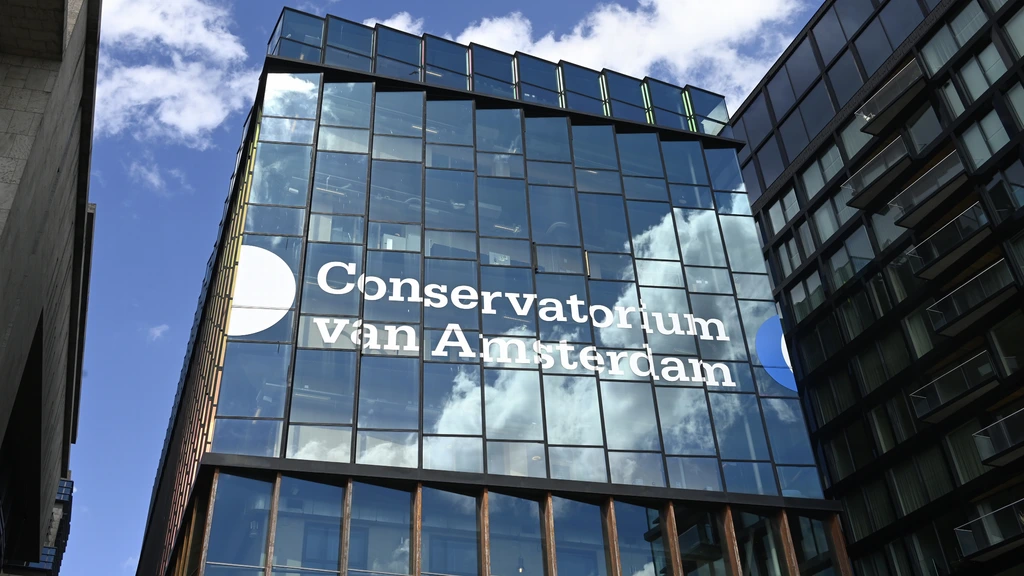
The number of Dutch students pursuing music education in the Netherlands has significantly decreased, with only 22% of students training to be performing musicians now originating from the Netherlands, down from 52% twenty years ago. This trend is particularly pronounced in master's programs, where 78% of students are international. Experts attribute this decline to substantial budget cuts in music education over the past fifteen years, leading to a lack of structural music programs in schools and fragmented extracurricular music offerings. The affordability and accessibility of music lessons outside of school also vary greatly, hindering the development of local talent. The broader cultural sector has also faced significant financial setbacks since 2005, resulting in the closure of many music schools and a reduction in individual music lessons, which impacts the nurturing of talent and subsequent enrollment in music associations and conservatories. Furthermore, the precarious employment situation for freelance music teachers acts as a deterrent for young people considering a career in music. This decline is also evident in the diminishing participation of Dutch orchestras, especially youth ensembles, in international competitions like the World Music Contest. In contrast, countries like Portugal, Belgium, and Luxembourg offer more accessible and affordable music education, including free lessons and instrument loans, contributing to stronger national music cultures and more robust orchestras. Both Jan van den Eijnden of LKCA and Björn Bus, artistic director of the World Music Contest, emphasize the need for government intervention through organized, affordable music education and legislative frameworks to support talent development, noting that any positive effects would take a decade or more to materialize.
The significant drop in Dutch students enrolling in conservatories suggests a potential disconnect between national talent development strategies and the practical realities faced by aspiring musicians. Decades of underfunding in arts education may have created systemic barriers, making it harder for young Dutch individuals to access and afford the necessary training, thereby impacting the future of the country's musical landscape and cultural heritage. While international students bring valuable diversity, a reliance on foreign talent might indicate a need to re-evaluate domestic support structures to ensure a sustainable pipeline of homegrown musicians. The comparison with neighboring countries highlights how policy choices regarding the accessibility and affordability of arts education can directly influence participation rates and the overall health of a national cultural sector. Future policy considerations could focus on incentivizing local participation and ensuring that talent can flourish regardless of socioeconomic background or geographic location.
AI-generated to prompt reflection — not editorial opinion, not advice, not a statement of fact. How this works.