Dutch Parliament probes controversial COVID-19 curfew: Rights clashes and reluctant decisions
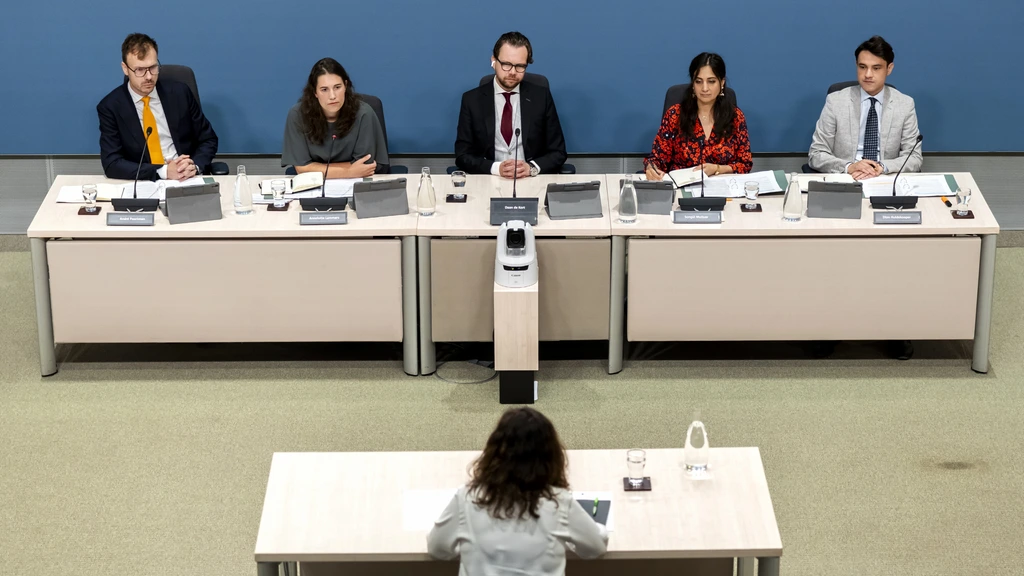
A Dutch parliamentary inquiry committee has been examining the decision-making process behind the COVID-19 curfew, a measure that confined citizens to their homes from 9 PM to 5 AM for three months in early 2021. The curfew, one of the most stringent pandemic responses, was implemented despite significant reluctance from various stakeholders due to its impact on fundamental rights. Former Minister of Justice and Security, Ferd Grapperhaus, expressed his initial "muscular reluctance" and "constitutional problems" with the curfew, citing concerns about infringing upon basic freedoms. Top civil servant Hanneke Schipper-Spanninga highlighted the constant tension between conflicting fundamental rights during the pandemic, including impacts on family life and property rights, while emphasizing the paramount importance of the right to life and public health. The decision to impose the curfew was driven by the escalating threat of new, dangerous coronavirus variants and an epidemiologically critical situation, as described by Grapperhaus. Despite doubts within the Outbreak Management Team (OMT) about the precise effectiveness of the curfew in curbing outbreaks, former OMT chairman Jaap van Dissel acknowledged it likely had a "small but significant effect." Mayors, including Femke Halsema of Amsterdam, also voiced strong reservations, with Halsema deeming the measure "unacceptable" due to concerns about loneliness and mental health, but ultimately complied with the democratic decision. The curfew was extended five times, lasting three months, despite advice to de-escalate it sooner. Halsema also noted a shift in government policy towards repression and enforcement, which alienated a population that was losing hope, contrasting with the initial emphasis on solidarity. Former police chief Henk van Essen suggested improved communication, acknowledging public grievances, could have bolstered support. Critics, like Romy Quint of Vrouwen voor Vrijheid, felt marginalized and misrepresented, arguing that better engagement with dissenting voices could have prevented protests. Both Van Essen and Van Dissel criticized the confusing and constantly changing nature of pandemic measures towards the end of the crisis.
The parliamentary inquiry into the Dutch COVID-19 curfew reveals a complex interplay between public health imperatives and the protection of fundamental rights, a tension inherent in emergency governance. The decision-making process, characterized by "muscular reluctance" and "constitutional problems," underscores the significant ethical and legal trade-offs governments face during crises. While the stated goal was to curb virus transmission, the implementation involved substantial infringements on civil liberties, prompting questions about proportionality and the potential for overreach. The analysis suggests that a lack of clear communication and perceived repression may have eroded public trust and solidarity, highlighting the critical need for transparent, evidence-based policymaking that actively engages with diverse public perspectives. Looking ahead, the experience offers a case study in balancing security with liberty, emphasizing the importance of robust democratic oversight and clear criteria for the de-escalation of emergency powers in the face of evolving public health challenges and societal impact.
AI-generated to prompt reflection — not editorial opinion, not advice, not a statement of fact. How this works.