Dutch Parliament's COVID Inquiry Witnesses Face Renewed Threats
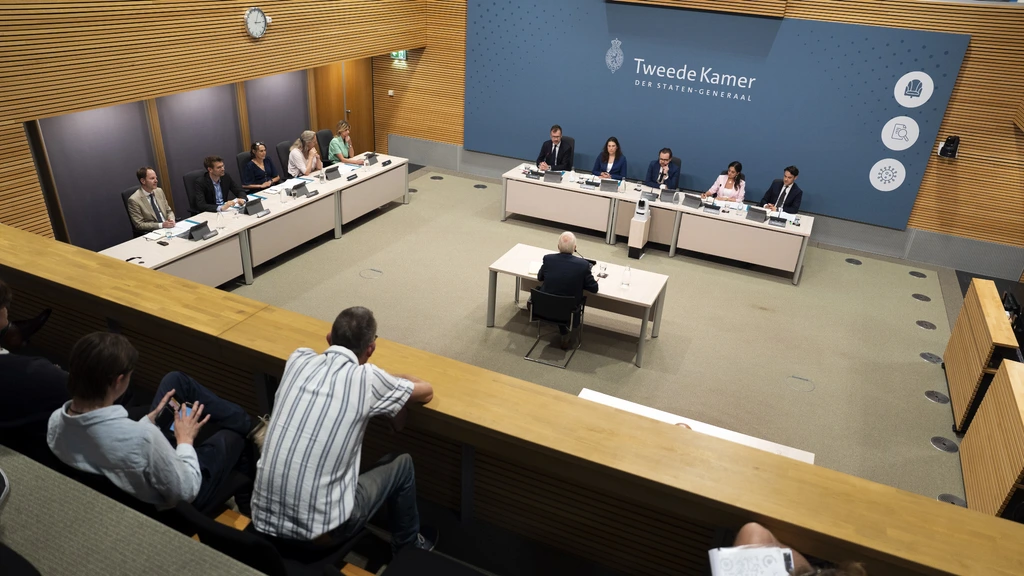
Multiple witnesses summoned by the Dutch parliamentary inquiry committee into the COVID-19 pandemic are reportedly facing renewed threats. The committee's chairman, Daan de Kort, confirmed the situation, stating that their tolerance for such behavior is zero and that they are coordinating with police and security services. De Kort emphasized the unacceptability of these threats, which undermine the integrity of the inquiry process. The issue of threats during the pandemic has been a recurring theme throughout the hearings over the past five weeks. Last week, Nienke Luijckx, a former student representative for LAKS, revealed she had also experienced threats leading up to her testimony, noting the difficulty in identifying the perpetrators. The committee has heard that several witnesses have been threatened before or after their hearings, causing distress and potentially impacting their willingness to testify freely. While the specific individuals and nature of the threats remain undisclosed, the committee stressed that witnesses are legally obligated to appear and testify under oath. De Kort highlighted that these threats impede the commission's work, as witnesses must be able to provide statements in complete freedom and safety. He condemned such actions as shameful attempts to pressure individuals. Previous hearings have featured testimony from other individuals who faced threats during the pandemic, including OMT member Marion Koopmans, who felt unable to move freely, and former Justice Minister Ferd Grapperhaus, who required significant security. Former OMT chairman Jaap van Dissel expressed concerns about scientists' future willingness to speak out due to such pressures.
The renewed threats against witnesses in the Dutch parliamentary COVID-19 inquiry highlight a critical challenge in public accountability processes: ensuring the safety and freedom of testimony in the face of intimidation. This situation underscores a systemic vulnerability where individuals who have participated in public service or provided expert advice during a crisis can become targets. The committee's firm stance and engagement with law enforcement are necessary steps to uphold the rule of law and protect the integrity of democratic oversight. Looking ahead, such incidents prompt consideration of more robust witness protection frameworks and public communication strategies that can preemptively counter disinformation and hostility directed at those who engage in public service. The long-term impact on public trust and the willingness of experts and citizens to participate in future inquiries or public discourse warrants careful examination, particularly in an era where digital platforms can amplify threats and harassment.
AI-generated to prompt reflection — not editorial opinion, not advice, not a statement of fact. How this works.