Dutch PM Reaffirms Unwavering Support for Ukraine After Call with President Zelenskyy
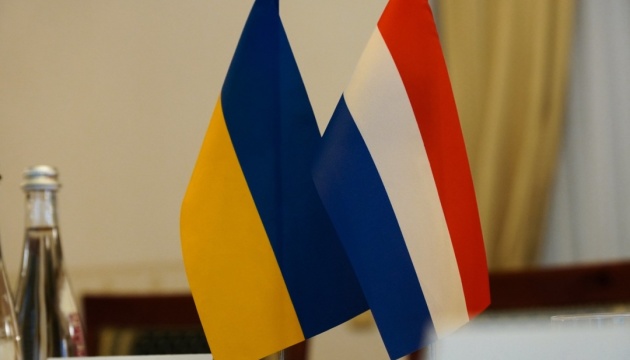
Dutch Prime Minister Mark Rutte has reaffirmed his country's steadfast support for Ukraine following a conversation with Ukrainian President Volodymyr Zelenskyy. The discussion centered on the ongoing commitment of the Netherlands to assist Ukraine during its current challenges. President Zelenskyy expressed gratitude for the continued partnership and the crucial aid provided by the Dutch government. The meeting underscored the strong diplomatic ties between the two nations and their shared commitment to Ukraine's sovereignty and territorial integrity. This confirmation of support comes at a critical juncture, highlighting the importance of international solidarity. The Netherlands has been a consistent supporter of Ukraine, providing both financial and military assistance since the beginning of the conflict. The conversation between the two leaders is expected to pave the way for further cooperation and reinforcement of existing support mechanisms. Both leaders emphasized the need for continued international pressure on aggressors and the importance of upholding international law. The commitment from the Netherlands is a significant factor in the ongoing efforts to support Ukraine's resilience and eventual recovery.
The reaffirmation of Dutch support for Ukraine by Prime Minister Rutte, following direct communication with President Zelenskyy, signals a consistent alignment of policy within the Dutch government regarding the ongoing conflict. This diplomatic engagement highlights the strategic importance of maintaining international coalitions for sustained aid. From a systemic perspective, such bilateral assurances are crucial for Ukraine's long-term planning and resilience, influencing broader geopolitical dynamics and the collective security architecture in Europe. The continuity of support, irrespective of potential domestic political shifts, will be a key factor in Ukraine's ability to navigate future challenges and in shaping the broader European security landscape over the next decade.
AI-generated to prompt reflection — not editorial opinion, not advice, not a statement of fact. How this works.
