Dutch Police Assist Belgian Counterparts in Knokke to Curb Youth Nuisance
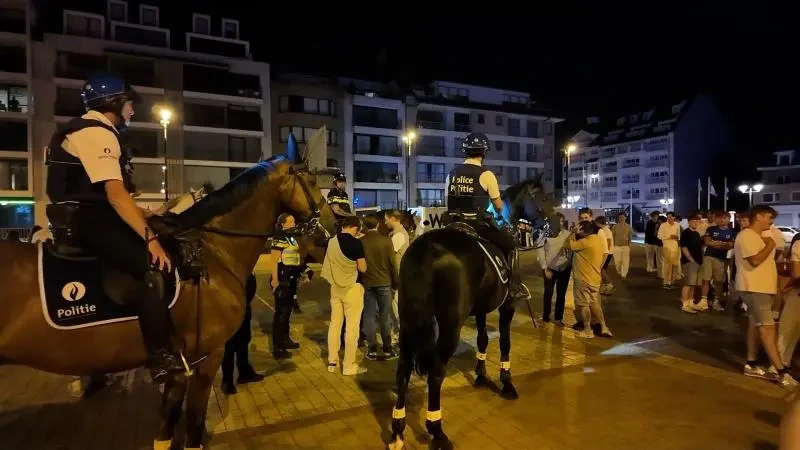
Dutch police officers are collaborating with their Belgian counterparts in the coastal town of Knokke-Heist to prevent disturbances caused by Dutch youths on holiday. This joint effort, now in its sixth year, has reportedly led to a reduction in fights and other incidents. Knokke-Heist has long been a summer destination for young people from regions like North Holland and Gooi, where legal alcohol consumption begins at age sixteen. In recent years, the large influx of visitors has frequently resulted in public disorder, notably in 2020 when COVID-19 restrictions led to unrest over multiple nights. The current proactive approach by Dutch officers involves early engagement with youths to de-escalate potential conflicts, contrasting with a more reactive stance by Belgian police. Youth officer Maureen Wildvank, from Gooi, noted that Dutch officers actively patrol crowds and engage with establishment owners. Belgian Inspector Sophie Rotsaert expressed appreciation for Wildvank, highlighting her ability to connect with the Dutch youth and facilitate quick contact with parents when necessary. Despite existing police shortages in both countries, the cross-border assistance is considered standard practice for large events and popular tourist destinations across Europe. Belgian Chief Commissioner Marjolein Lippens emphasized gratitude for the Dutch support, acknowledging similar staffing pressures in Belgium. Both police forces report positive outcomes from the collaboration, including fewer fights, public intoxication incidents, and acts of vandalism compared to previous years.
The deployment of Dutch police to Knokke-Heist addresses a recurring issue of youth-related disturbances in a popular tourist destination. This cross-border cooperation highlights a pragmatic approach to managing the social dynamics of international youth tourism, particularly where differing legal drinking ages and cultural norms may intersect. The initiative's success, as reported, suggests that proactive engagement and familiar points of contact can mitigate escalations more effectively than solely reactive policing. However, the reliance on this international assistance, even while deemed normal, occurs against a backdrop of significant police staffing shortages in both the Netherlands and Belgium. This raises questions about the sustainability of such deployments and the potential strain on domestic law enforcement capacities. Future considerations might involve exploring systemic solutions that address the root causes of youth nuisance and ensuring adequate resource allocation for both local and international policing needs, rather than relying on ad-hoc international aid.
AI-generated to prompt reflection — not editorial opinion, not advice, not a statement of fact. How this works.