Dutch Police Concerned Over Rise in Seized Gas and Alarm Pistols
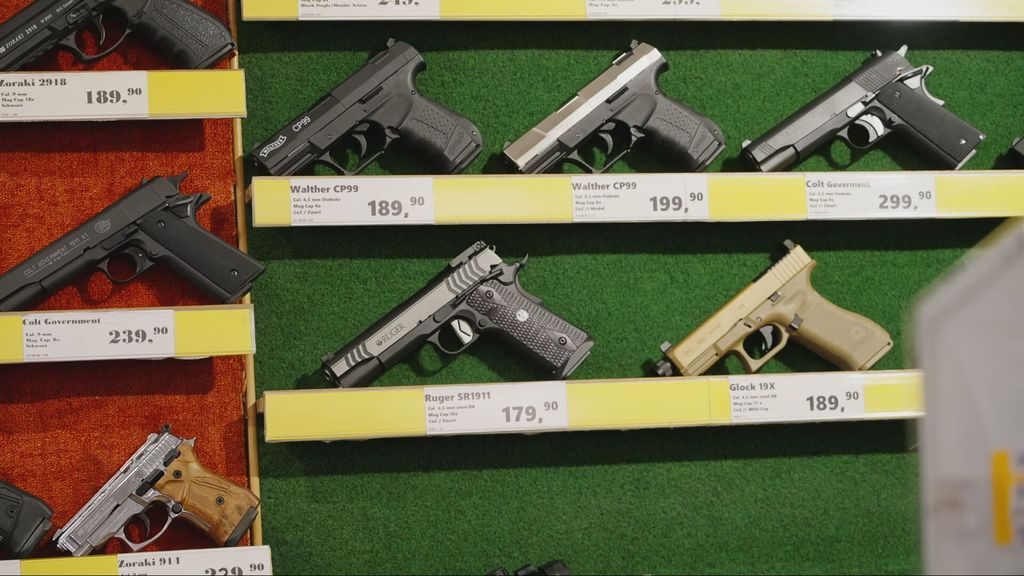
Dutch police are increasingly concerned about the influx of gas and alarm pistols, as well as other non-lethal weapons, from Germany into the Netherlands. These weapons, often difficult to distinguish from real firearms, are readily available across the border. In recent years, Dutch authorities have seen a significant rise in the confiscation of items like pepper spray, air guns, gas pistols, and alarm pistols. In 2022, 4080 such weapons were seized, a number that climbed to 5165 in 2023, marking an almost 27 percent increase. Pepper spray, in particular, has seen a surge in seizures, rising from 992 in 2022 to 1446 in 2023, with an additional 851 confiscated in the first half of 2024. Police acknowledge that increased enforcement efforts may contribute to the higher seizure numbers, but the ease of conversion of alarm and gas pistols into functional firearms is a major worry. Martin van der Meij of the police highlighted that these weapons are cheap, easily obtainable, and can be converted to fire live ammunition, citing their use in serious criminal incidents, including the murder of Peter R. de Vries. A German weapons dealer, Herman Oldenkotte, operating near the Dutch border, estimates that 80 to 90 percent of his customers are from the Netherlands, seeking these items for self-defense. He notes a broad demographic among his clientele, with both men and women of various ages purchasing these weapons, especially pepper spray, due to a perceived rise in insecurity. While purchasing these items is legal in Germany for individuals over 18 without a permit, bringing them into the Netherlands without proper authorization is a criminal offense. The police are also observing an increase in weapons being sent via mail packages, though some dealers like Oldenkotte do not facilitate this. The Netherlands has been advocating for stricter regulations, such as permit requirements or outright bans, within the European Union.
The increasing seizure of imitation firearms and self-defense tools highlights a complex cross-border regulatory challenge and evolving public perceptions of safety. The availability of these items in neighboring countries, coupled with their potential for conversion into lethal weapons, presents a significant law enforcement concern. This situation underscores a tension between individual desires for personal security and collective public safety mandates. The trend suggests a potential disconnect between perceived threats and the legal frameworks governing personal defense tools, prompting a re-evaluation of accessibility and control mechanisms across jurisdictions. Future policy discussions may need to address harmonizing regulations within the EU to mitigate such cross-border security risks while acknowledging legitimate self-defense needs.
AI-generated to prompt reflection — not editorial opinion, not advice, not a statement of fact. How this works.
