Dutch Prosecutors Investigate Plastic Maker Sabic for Alleged PFAS Discharge
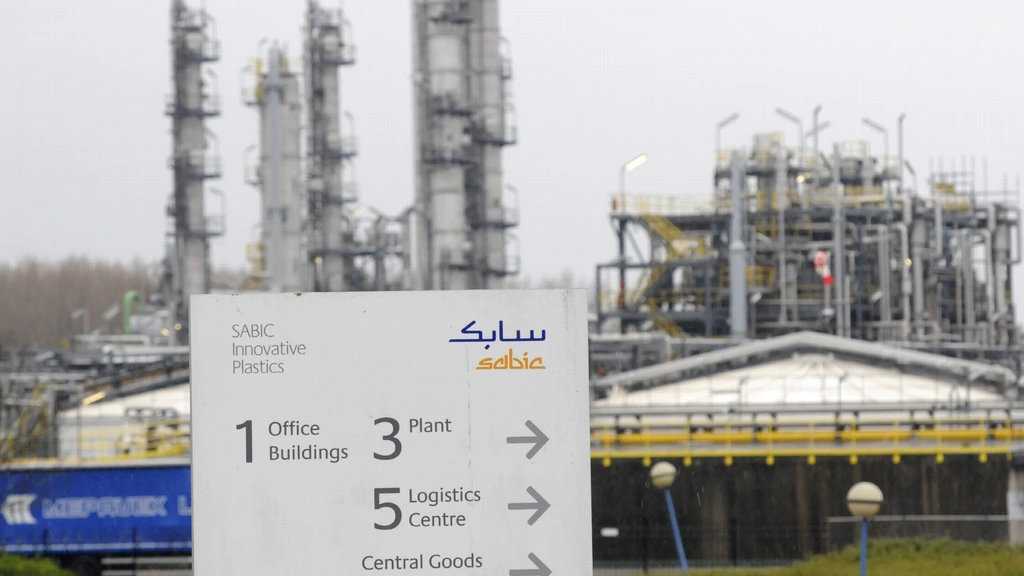
The Public Prosecution Service (OM) in the Netherlands has initiated a criminal investigation into plastic manufacturer Sabic concerning the alleged unlicensed discharge of a harmful PFAS substance. Sabic, with facilities in Bergen op Zoom, is suspected by the OM of releasing Perfluorobutanesulfonic acid (PFBS) into the Westerschelde and Theodorushaven. This investigation follows a joint complaint filed by four foundations, which allege that Sabic transports wastewater through a pipeline system and discharges it into the Westerschelde near Waarde. The OM stated that there are sufficient grounds to commence a criminal inquiry. PFBS is a compound used as a flame retardant in plastic products and is known for its persistence in the environment. The investigation, led by the Functional Prosecutor's Office, which specializes in fraud and environmental crime, is expected to take time but will be expedited due to potential consequences for human health and the environment. It will examine whether Sabic and its management are responsible for introducing or allowing harmful substances into surface water. PFAS are a group of chemicals that can be harmful and break down very slowly, leading to their accumulation in the environment. They can negatively impact the immune system, fertility, unborn children, and organs like the liver and thyroid, and are also linked to cancer. For Sabic, the focus is on PFBS, a PFAS variant primarily used since the early 2000s in textiles, food packaging, fire-fighting foam, and cleaning agents. While PFBS breaks down relatively quickly in the human body, it persists extensively in the environment. In October, Sabic was already subject to a court-imposed limit by the Oost-Brabant court, restricting its annual PFBS discharge in wastewater to 2.75 kilograms, a significant reduction from its previous discharge of 51 kilograms per year. The province of North Brabant had previously imposed a strict norm to limit this discharge, and the court deemed meeting this norm challenging but achievable. Sabic has reportedly made significant progress in reducing PFBS emissions.
This investigation into Sabic's alleged PFAS discharge highlights the growing regulatory scrutiny of persistent chemicals and their environmental impact. The prosecution's focus on unlicensed discharge and potential harm to human and ecological systems underscores a broader trend of holding industrial actors accountable for environmental externalities. The case also brings to light the challenge of managing legacy industrial processes and the inherent difficulties in meeting stringent environmental standards, particularly when dealing with substances that are persistent by design. Future industrial practices will likely need to integrate more robust environmental risk assessments and transparent reporting mechanisms to mitigate such legal and reputational exposures, especially as regulatory bodies worldwide enhance their enforcement capabilities.
AI-generated to prompt reflection — not editorial opinion, not advice, not a statement of fact. How this works.