Dutch Province May Revoke Licenses of Five Poultry Farms Over Nitrogen Emissions
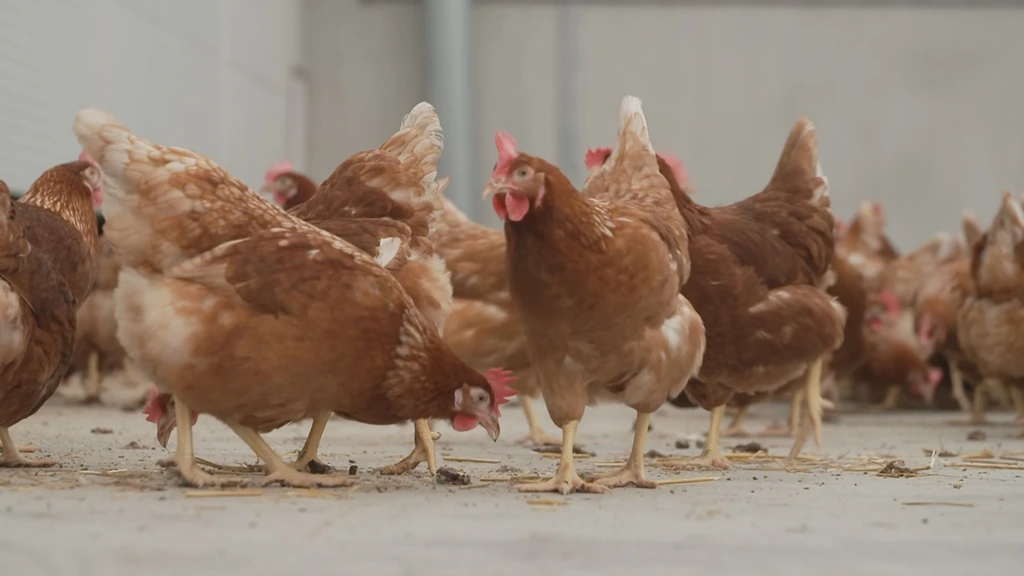
The province of North Brabant in the Netherlands is considering revoking the permits of five poultry farmers located near sensitive nature reserves due to their nitrogen emissions. This move follows a legal victory by the environmental organization Mobilisation for the Environment (MOB), which successfully sued the province for failing to address nature damage caused by these emissions. A court ruling mandated that the province must take action, but negotiations between the province, MOB, and the farmers failed to yield a resolution.
Opposition parties within the Provincial States, including BBB, JA21, CDA, CU-SGP, and 50PLUS, are expressing strong disapproval, calling the potential license revocations "disproportionate" and criticizing the lack of prior notification to the States. They are demanding an urgent meeting to seek clarification. The ZLTO, a farmers' interest group, warns of a "social drama" if the farmers lose their licenses, deeming the proposed administrative action "absurd" and lacking a clear administrative decision. ZLTO also criticizes the province for summoning the farmers to the provincial house in Den Bosch for discussions rather than informing them at their farms. The final decision is expected in October, with discussions between the province and the affected farmers scheduled for today.
This situation highlights the complex interplay between agricultural economic interests, environmental regulations, and legal mandates in the Netherlands. The province's proposed action, while legally compelled by a court order stemming from environmental damage, creates significant socio-economic pressure on the affected farmers. The conflict underscores a systemic challenge in balancing intensive agricultural practices with ecological preservation goals, particularly in densely populated areas with sensitive ecosystems. Future policy may need to explore more integrated approaches, such as incentivized transitions to lower-emission farming or land-use planning that better separates agricultural activity from vulnerable natural habitats, to avoid such direct and disruptive confrontations.
AI-generated to prompt reflection — not editorial opinion, not advice, not a statement of fact. How this works.