Dutch Railways Tightens Rules: Bags Must Be on Laps or Racks, Not Seats
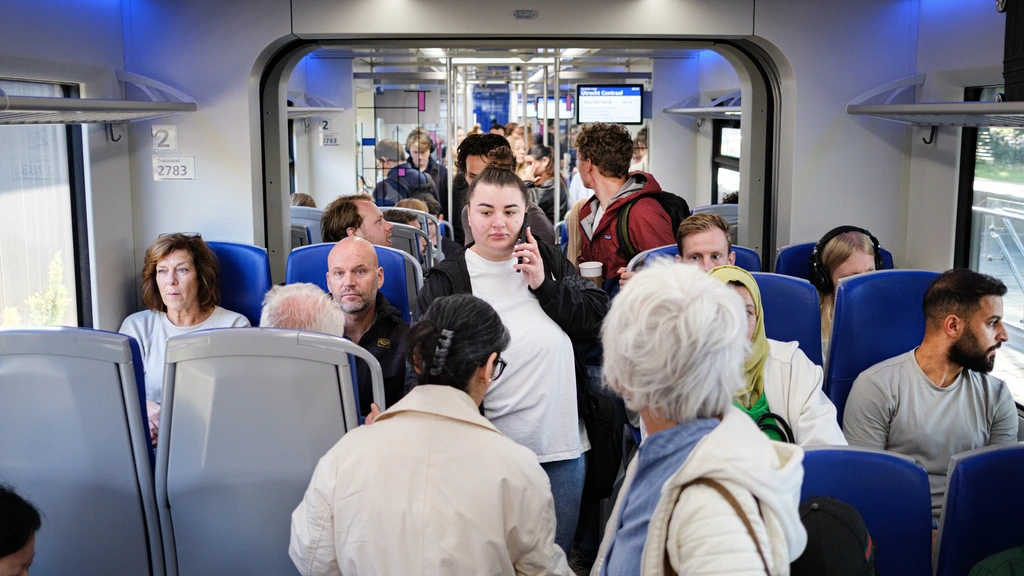
Dutch national railway company NS is implementing new regulations for passengers carrying bags on trains, effective immediately. Travelers will no longer be permitted to occupy a seat with their hand luggage. Instead, bags must be placed on the passenger's lap or stored in the designated overhead luggage racks, even when the train is not crowded. Previously, while passengers were required to move their bags if another traveler needed the seat, occupying a seat with luggage was not explicitly prohibited. This change aims to address a growing issue that has become a significant source of frustration for many passengers.
According to Daan Zieren, director of the passenger organization Rover, luggage on seats ranks among the top three passenger annoyances. He notes that while passengers used to move their bags during busy periods, many now ignore the issue or refuse to comply. NS acknowledges that conductors are increasingly hesitant to confront passengers about their bags, citing a broader societal increase in aggression, which has led to conductors being equipped with bodycams and security personnel with batons.
While Rover supports the new policy, they seek clarity on enforcement, preferring awareness campaigns over fines. NS plans to use prominent signage, similar to past successful initiatives in silent carriages, and conductor interventions to promote compliance. The railway company also reiterated existing size limits for hand luggage, not exceeding 85 centimeters in any dimension. Larger suitcases must be placed in designated storage areas on Intercity trains or on the balcony of Sprinter trains if other options are unavailable.
The NS's updated policy on hand luggage reflects a common challenge in public transportation: balancing passenger convenience with efficient space utilization and a positive travel experience. By prohibiting the use of seats for luggage, NS aims to mitigate a significant source of passenger conflict and improve overall capacity. This move acknowledges the evolving social dynamics, where direct confrontation is increasingly avoided, necessitating clearer, more universally applicable rules. The reliance on awareness campaigns and conductor intervention, rather than immediate punitive measures like fines, suggests a strategy focused on behavioral change through social norms and education. This approach, while potentially slower, may foster greater long-term compliance and reduce antagonism. The policy's success will likely hinge on consistent enforcement and the effectiveness of awareness initiatives in shifting passenger behavior toward greater consideration for fellow travelers.
AI-generated to prompt reflection — not editorial opinion, not advice, not a statement of fact. How this works.