Dutch Residents Protest Potential Nuclear Plant Sites in The Hague
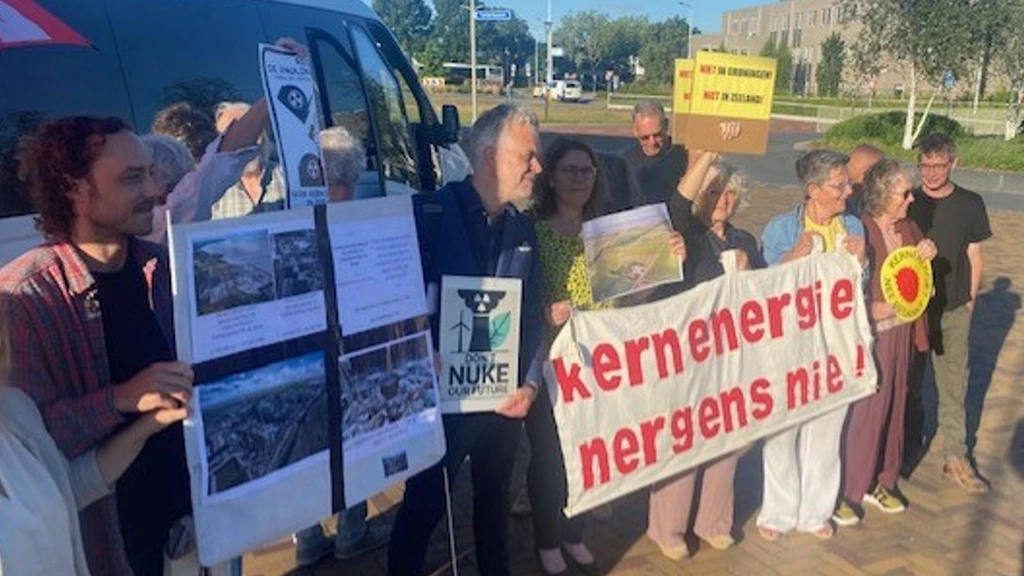
Dozens of residents from the Dutch provinces of Groningen and Zeeland traveled by bus to The Hague on Monday to voice their opposition to potential new nuclear power plant locations. The Dutch House of Representatives is debating two sites under consideration for nuclear energy: Terneuzen in Zeeland and Eemshaven in Groningen. Many residents fear the impact on their immediate living environments and quality of life. Arenda Woltjer, who left her home at 5:00 AM, expressed concern about development encroaching on her personal space. Thomas Pastoor, a miller in Groningen, highlighted that the issue extends beyond local politics to affect future generations. The bus trip was organized with support from the provincial government, with Statenlid Agnes Bakker of the SP initiating the effort and acting as a de facto tour leader. Bakker drew parallels to past successful protests against gas extraction, emphasizing the need for public mobilization to influence national policy. She criticized The Hague for repeatedly disregarding Groningen's wishes. While Borssele was previously considered, it has been ruled out according to a recent government plan. However, members of the 'Borsele tot de Kern' action group still traveled to The Hague to support residents in Terneuzen, sharing their own experiences with nuclear facilities. The provincial executive of Zeeland, however, remains open to another nuclear plant in the province, citing Zeeland's long history as a nuclear hub due to the existing plant and nuclear waste processor Covra. A final decision on the new plant locations will not be made today, but the current government will outline its stance on the proposals, with a final decision expected later this year.
This event highlights a recurring tension in national energy policy between centralized planning and local community concerns. The mobilization of residents from Groningen and Zeeland demonstrates a strategic response to perceived top-down decision-making, drawing lessons from past environmental activism. The debate over nuclear power sites reflects broader societal trade-offs between energy security, climate goals, and the localized impacts of industrial infrastructure. Future energy decisions will likely require more robust frameworks for community engagement and benefit-sharing to mitigate local opposition and ensure equitable distribution of perceived risks and rewards. The long-term viability of nuclear power, especially in densely populated European nations, will depend on addressing these complex governance and social acceptance challenges.
AI-generated to prompt reflection — not editorial opinion, not advice, not a statement of fact. How this works.