Dutch Special Education Students Can Start Higher Education Despite Exam Disruptions
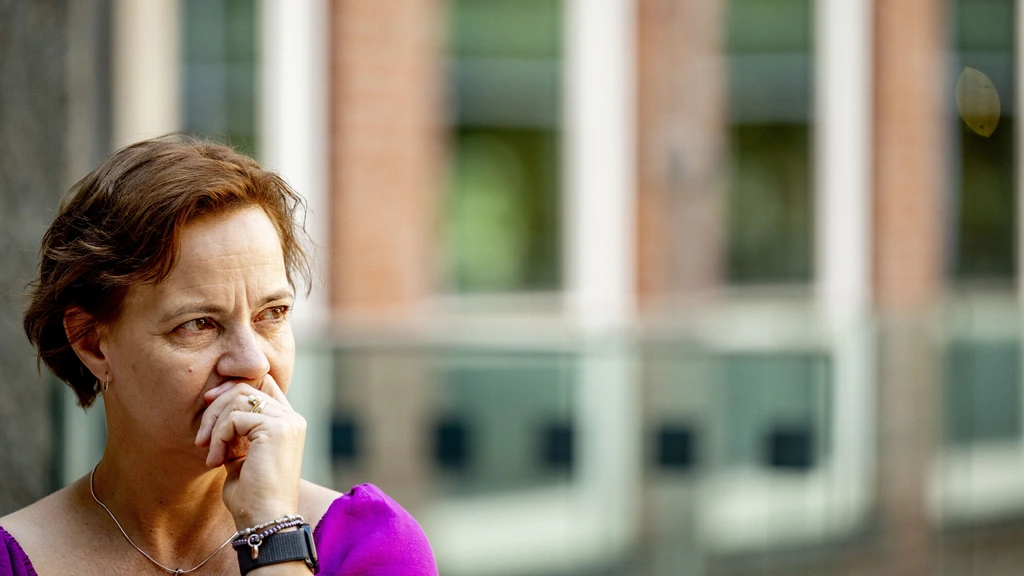
Students in Dutch special secondary education (vso) who were unable to take their oral examinations due to extreme heat and the subsequent 'code red' alert can still commence their further education. State Secretary Tielen of Education, Culture, and Science stated that it is unacceptable for students to be prevented from starting higher education due to circumstances beyond their control. Approximately 300 vso students and their parents have been informed about the measures taken to mitigate the disappointing situation. The extreme heat on Friday, June 26, led to the cancellation of scheduled secondary education exams by the Examination Board (CvTE) and the ministry, as a safe examination environment could not be guaranteed. The affected students expressed disappointment and anxiety about their future studies and the timing of rescheduled exams, wishing to avoid prolonged stress over make-up tests. State Secretary Tielen acknowledged their disappointment, recognizing their preparation and need for certainty. Rescheduled exams are now confirmed, with schools communicating specific dates to students, varying from July to late August depending on the institution. Oral state examinations are typically held in the summer when regular teachers are available. While efforts were made to schedule make-up exams as soon as possible, a potential bottleneck existed if a student required a retake, potentially delaying diploma issuance until August 31. To address this, the State Secretary has arranged for vocational (mbo), higher professional (hbo) schools, and universities to accommodate these students. Affected students are permitted to begin their studies immediately and submit their diplomas by the end of September. However, failure to pass the rescheduled exams would result in the student being unable to continue their studies.
The Dutch government's intervention to allow special education students to commence higher education despite exam disruptions highlights a tension between standardized assessment protocols and equitable access to educational opportunities. The 'code red' heatwave served as an exogenous shock, exposing the fragility of examination schedules and the potential for external factors to disproportionately impact vulnerable student populations. The State Secretary's directive to higher education institutions demonstrates a pragmatic approach to mitigate immediate educational disruption, prioritizing student progression over strict adherence to diploma deadlines. This situation prompts consideration of more resilient assessment frameworks that can accommodate unforeseen events, potentially through diversified evaluation methods or more flexible scheduling policies. Looking ahead, as climate change intensifies, such disruptions may become more frequent, necessitating systemic adaptations in educational planning and assessment to ensure fairness and continuity for all learners, particularly those with specialized needs.
AI-generated to prompt reflection — not editorial opinion, not advice, not a statement of fact. How this works.