Dutch State Secretary Presses Bonaire for Public Bus Launch Date
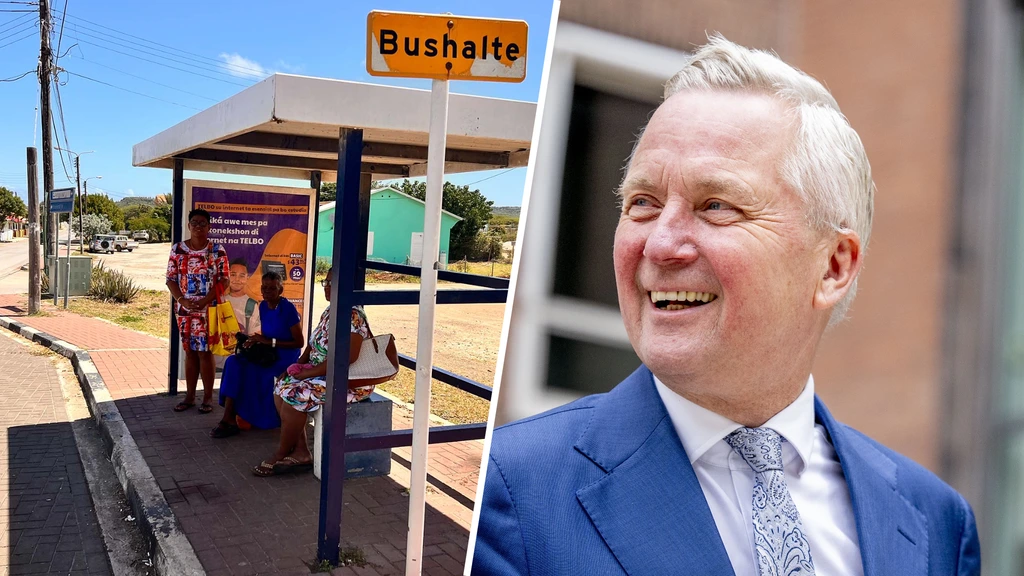
Dutch State Secretary for Kingdom Relations and Integration, Eric van der Burg, is intensifying pressure on Bonaire's executive council to provide a concrete launch date for the island's public bus service. Van der Burg, who is visiting Bonaire this week, expressed frustration that despite the transfer of funds and an existing plan, no buses are operating. Currently, Bonaire relies on private vans primarily serving tourists from cruise ships, hotels, and the airport, while residents lack regular public transportation to work, school, or the hospital. The Dutch municipality has yet to establish a formal public transport system with fixed routes, schedules, and fares. Van der Burg emphasized that affordable transportation is crucial for residents' livelihoods, especially with rising fuel costs, and that the Netherlands, as a funder, expects to see tangible results. He stated that the public bus service should not be further delayed by unrelated housing and area development projects. The Netherlands allocated €600,000 for 2024 and €400,000 annually from 2025 onwards, but the initial 2025 start date was missed. Subsequent proposed launch dates, including September 2026 and the first quarter of 2027 for a route between Rincon and Kralendijk, have also not been formally set by the island's government. Van der Burg is seeking a definitive start date during his visit, prioritizing the bus's operation over perfect planning, stating, "It is better to drive with a 6 than with a 9 in the garage."
The Dutch government's financial contributions to Bonaire's public transportation infrastructure highlight a common governance challenge in island territories: the gap between central government funding and local implementation capacity. State Secretary Van der Burg's insistence on a launch date underscores the accountability mechanisms expected by the funding authority, framing the issue as a matter of delivering promised public services for resident well-being and economic stability. The delays suggest potential complexities in local project management, resource allocation, or perhaps differing priorities between the island's executive council and the Dutch state. The situation reflects a broader dynamic where external financial support necessitates adherence to specific developmental timelines, and failure to meet these can strain intergovernmental relations. Future efforts may benefit from more robust joint planning frameworks that clearly define milestones, responsibilities, and contingency measures to ensure timely delivery of essential public services.
AI-generated to prompt reflection — not editorial opinion, not advice, not a statement of fact. How this works.