Dutch Supreme Court Advised to Reopen 1993 Breda Murder Case
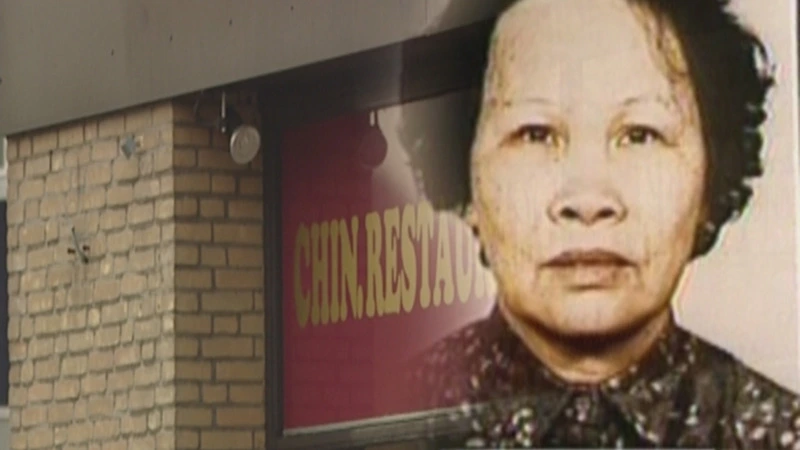
The Advocate-General at the Dutch Supreme Court has recommended that the case concerning the 1993 murder of Tim Mui Cheung in Breda be reopened. New evidence suggests a different understanding of the 58-year-old woman's death, who was found strangled and beaten with a wok in her son's restaurant on July 4, 1993, with a cash register also found emptied. The "Six of Breda" case saw three men and three women convicted in 1995 on appeal, receiving sentences from two to ten years. These convictions largely relied on confessions from the women, which they later recanted, claiming they were coerced by interrogators. The male defendants also maintained their innocence.
A previous Supreme Court decision in 2012 ordered a retrial, but the Hague Court of Appeal in 2015 reached the same conclusion as the original 1995 verdict, which was then upheld. A subsequent request for review was denied two years later. The three male defendants pursued further action, prompted by expert findings. One expert's analysis indicated that the municipal coroner's method for estimating the time of death is scientifically unsound, suggesting the victim may have died earlier or later than previously assumed.
This revised timeline has implications for the interpretation of two unidentified Southeast Asian male bloodstains found in the restaurant. These stains, not yet dried when discovered by police, were initially deemed by the court to be less than an hour old. This timing excluded them from the estimated window of death, leading the court to conclude they were unrelated to the murder. However, new forensic analysis has detected DNA from the same man on the victim's T-shirt, a bloody towel nearby, and in hair found on her trousers. The Advocate-General believes this new evidence creates a "serious suspicion" that the Hague Court would have acquitted the six in 2015 if this information had been available. The Supreme Court is expected to make its final decision on whether to reopen the case by the end of the year, though the six individuals convicted are already free.
The Advocate-General's recommendation to reopen the "Six of Breda" case highlights the critical importance of rigorous forensic science and procedural fairness in the justice system. The analysis of the coroner's time-of-death estimation and the subsequent re-evaluation of bloodstain evidence underscore how evolving scientific understanding can challenge established legal conclusions. This situation prompts reflection on the mechanisms for incorporating new scientific findings into past verdicts, particularly when initial convictions may have relied on outdated methodologies or incomplete evidence. The case also raises questions about the reliability of confessions obtained under pressure and the long-term implications for individuals seeking to correct potential miscarriages of justice. The Supreme Court's decision will be a significant indicator of the Dutch judiciary's commitment to ensuring that justice remains adaptable to scientific advancement and historical review.
AI-generated to prompt reflection — not editorial opinion, not advice, not a statement of fact. How this works.