Dutch Tourist Dies After Boat Capsizes at Iguazu Falls National Park
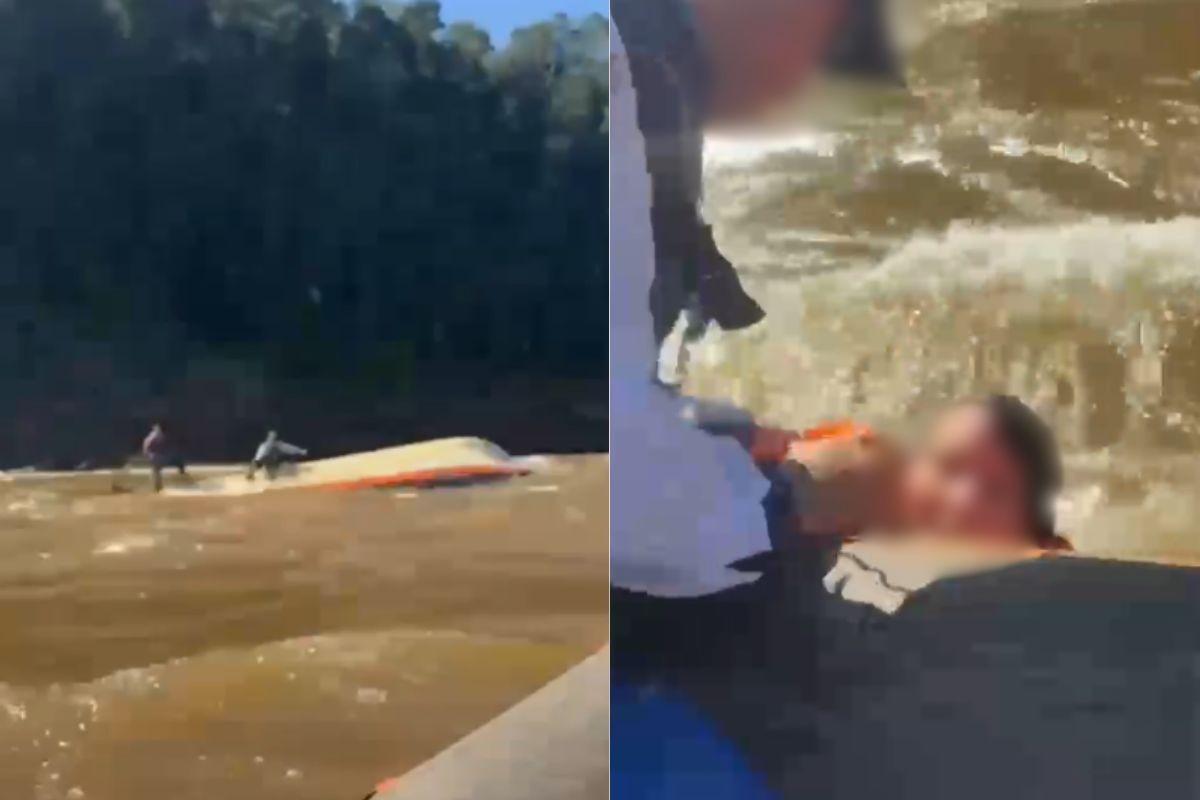
A Dutch tourist, identified as 25-year-old Mark Lensink, has died after a boat tour capsized in the Iguazu Falls National Park in Paraná, Brazil. A video captured by another tourist shows the moment the vessel overturned and passengers were rescued from the water. Lensink was on the tour with his fiancée's family, which included his fiancée, her parents, his sister-in-law, and her boyfriend. In total, eight people were on board, including the pilot and co-pilot. All individuals were rescued, but Lensink suffered cardiac arrest and passed away after being transported to the Municipal Hospital of Foz do Iguaçu. The Dutch Consulate-General in São Paulo confirmed they are providing consular assistance to the family and coordinating with local Brazilian authorities and Dutch officials. The tour operator, Macuco Safari, expressed deep regret over the incident and stated they are offering support to the survivors. Macuco Safari, which has operated in the park for over 40 years, has had its operations suspended for three days following the accident. The Brazilian Navy and Civil Police are investigating the incident to determine the circumstances, causes, and responsibilities. The Institute Chico Mendes de Conservation of Biodiversity (ICMBio) confirmed that Macuco Safari's documentation is in order.
This incident highlights the inherent risks associated with adventure tourism, even within well-established national parks and with operators holding valid certifications. The investigation by the Navy and Civil Police will be crucial in determining whether the accident stemmed from operational error, environmental factors, or equipment malfunction. The suspension of Macuco Safari's operations, while a necessary immediate response, also underscores the potential systemic vulnerabilities in safety protocols for such high-volume attractions. Moving forward, a thorough review of emergency response procedures and the potential for enhanced safety measures, possibly incorporating real-time monitoring or advanced risk assessment technologies, could mitigate future occurrences. The focus should remain on ensuring that the pursuit of tourism revenue does not compromise the paramount importance of visitor safety and environmental integrity.
AI-generated to prompt reflection — not editorial opinion, not advice, not a statement of fact. How this works.