Dutch Tourist Drowns After Boat Capsizes on Iguaçu National Park Tour
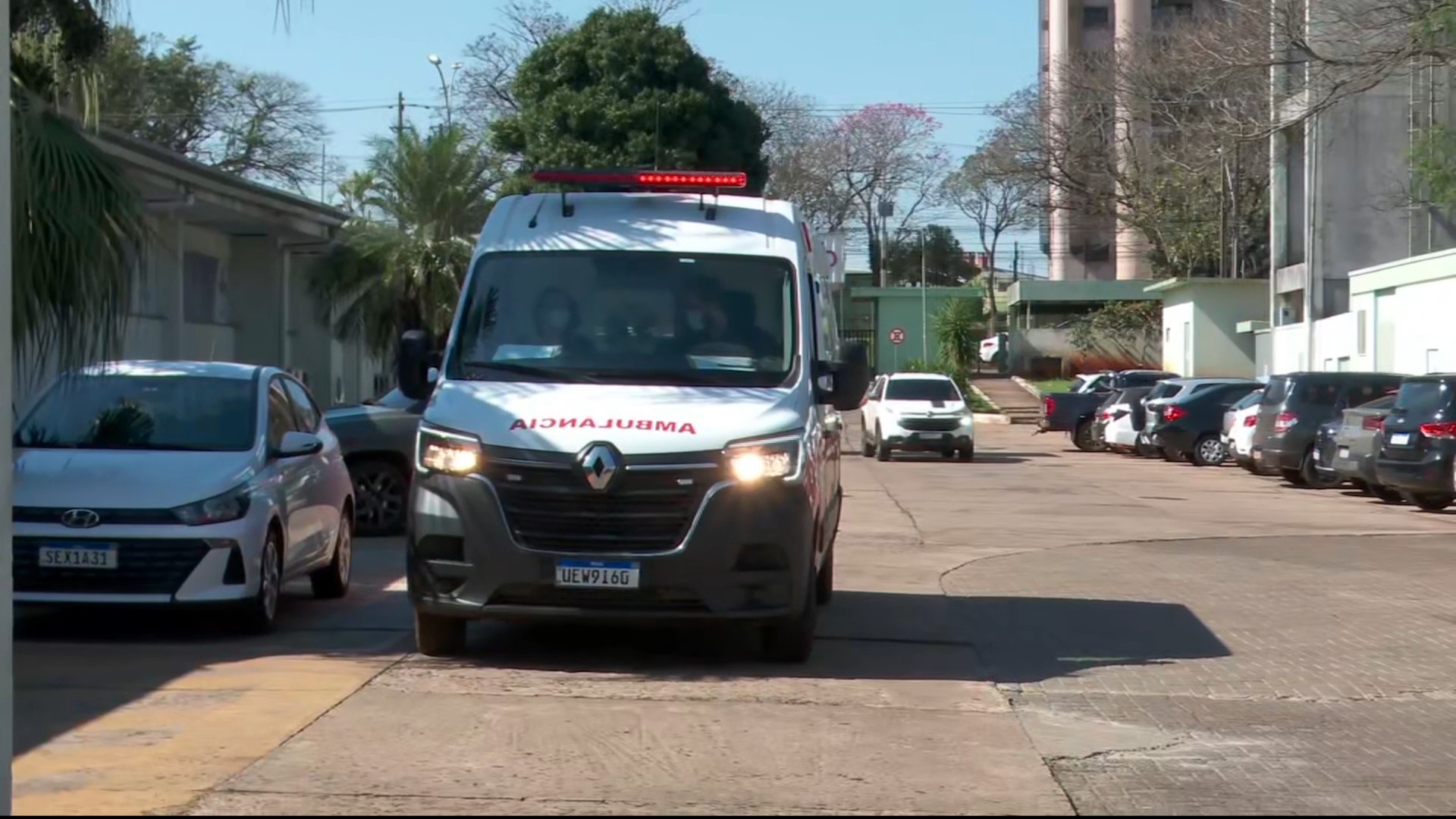
A 25-year-old Dutch tourist, identified as Mark Lensink, has died after a boat tour capsized in Iguaçu National Park in Paraná, Brazil. Lensink was on a Macuco Safari excursion with his fiancée, her parents, his sister-in-law, her boyfriend, and two crew members when the vessel overturned around noon on Tuesday, May 28th. All eight individuals were rescued from the water, but Lensink tragically drowned. He was attended to by park staff, transported by boat, and then by ambulance to the Municipal Hospital of Foz do Iguaçu, where he suffered cardiac arrest and passed away. Lensink and his fiancée were scheduled to marry in September and had arrived in Foz do Iguaçu on May 27th, planning to depart on May 30th. The Macuco Safari company expressed deep regret over the incident and stated they are providing assistance to the survivors. The Brazilian Navy is investigating the circumstances of the accident, and the Civil Police are also involved. The ICMBio, responsible for the national park, confirmed the concessionaire's documentation is regular and announced the Macuco Safari tours would be suspended for three days starting May 29th.
This incident highlights the inherent risks associated with adventure tourism, even within well-established national parks. While Macuco Safari asserts its commitment to safety and operational compliance, the capsizing of a vessel carrying eight people necessitates a thorough review of operational protocols, including weather assessment, passenger capacity management, and emergency response procedures. The investigation by the Brazilian Navy and Civil Police will be crucial in determining the precise causes, whether they stem from environmental factors, equipment malfunction, or human error. The suspension of tours offers a critical pause for reassessment, underscoring the importance of continuous safety audits and risk mitigation strategies in high-traffic tourist destinations. Moving forward, the focus should be on ensuring that all safety certifications and operational practices are not merely met but are demonstrably robust against foreseeable risks, especially as climate patterns and visitor numbers evolve.
AI-generated to prompt reflection — not editorial opinion, not advice, not a statement of fact. How this works.