Dutch Transport Workers to Strike for 24 Hours on September 9 Over Social Security Cuts
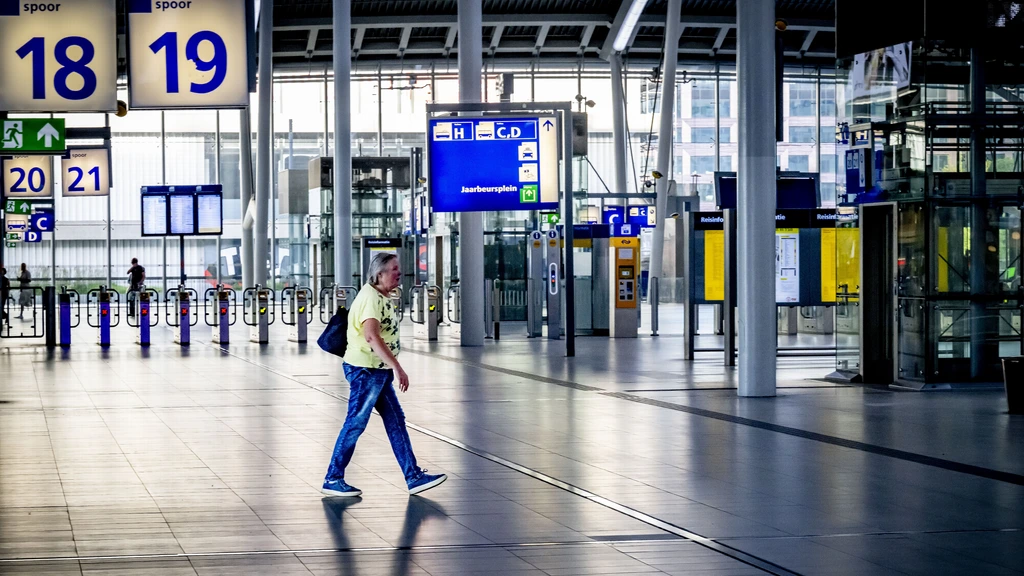
The FNV trade union has announced a nationwide 24-hour public transport strike scheduled for Wednesday, September 9. This action is a direct response to the government's austerity plans targeting social security benefits. The strike will affect all public transport sectors, including the national railway company NS, regional transport, and city transport, with employees ceasing work across the board. The government intends to reduce unemployment benefits (WW) and scale back benefits for the long-term sick (WIA). The FNV strongly opposes these measures, while the government maintains they are necessary to ensure the affordability of these benefits. FNV representative Edwin Kuiper highlighted that public transport workers are particularly vulnerable due to the demanding nature of their jobs, which increases their likelihood of needing WIA benefits. He stressed that these workers should have confidence in available support during difficult times. This follows a previous four-hour strike by rail personnel on June 24, also protesting the planned cuts. The FNV indicated that strikes are also being planned in other sectors, including ports, waste management, cleaning, the metal industry, and construction, with further announcements expected for September.
The FNV's planned strike reflects a systemic conflict between labor unions and the government over fiscal policy and social welfare. By targeting public transport, the union leverages a sector critical to national infrastructure and daily life, aiming to maximize disruption and pressure for policy reconsideration. The government's position emphasizes fiscal responsibility and the long-term sustainability of social security programs, framing the cuts as necessary adjustments. This situation highlights the ongoing tension between providing robust social safety nets and managing public finances, a challenge amplified by evolving economic conditions and demographic shifts. Future policy decisions will likely involve balancing these competing priorities, potentially through alternative revenue generation, targeted benefit adjustments, or reforms to employment and healthcare systems to mitigate long-term dependency.
AI-generated to prompt reflection — not editorial opinion, not advice, not a statement of fact. How this works.