Dutch Village Welcomes Soldiers Back, But Worries About Quality of Life
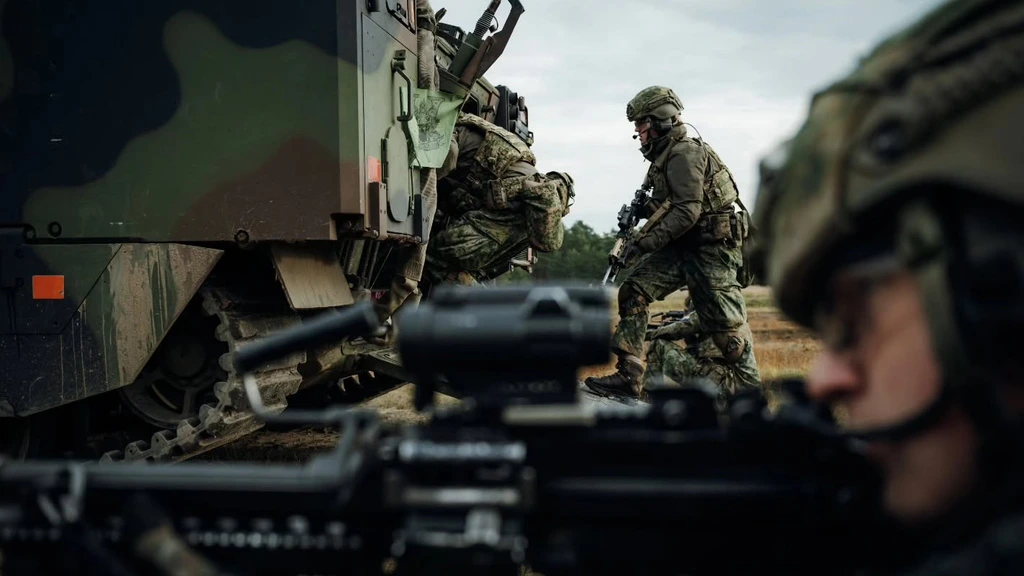
Soesterberg, Netherlands, is preparing for the return of military personnel after a 30-year absence, following the departure of American soldiers. The 45th Armored Infantry Battalion, comprising 700 personnel, is relocating from Havelte to Soesterberg. This move is part of the Dutch Ministry of Defence's strategy to attract more employees by establishing a new military village, Legerplaats Soesterberg, which will include renovated barracks and a new logistics center. The area, previously accessible to the public, will become a secured military zone. Training grounds near the village, Leusderheide and Vlasakkers, will see increased activity. While older residents recall positive experiences with the military, newer residents express concerns about the impact on the village's livability, particularly regarding noise from training exercises. The village is expected to grow from 8,000 to 11,000 residents, prompting questions about housing, infrastructure, and amenities. Local officials acknowledge the potential economic benefits for businesses and the general desire for increased activity, but also recognize the challenge of balancing military expansion with maintaining residents' quality of life. Concerns have been raised about the adequacy of existing facilities, including public transport, medical services, and sports amenities, and the need for preparation in terms of housing and social services for the incoming population.
The relocation of the 45th Armored Infantry Battalion to Soesterberg highlights a strategic recalibration of Dutch defense posture in response to evolving geopolitical threats, particularly from Russia. This decision presents a complex socio-economic challenge for the local community, balancing national security imperatives with the preservation of civilian quality of life. The historical context of Soesterberg's relationship with its military presence, shifting from a Cold War-era airbase to a post-2000 nature reserve, underscores the tension between development for defense and preservation for residential appeal. The projected population growth and infrastructure demands necessitate proactive, integrated urban planning that anticipates the needs of both military personnel and the existing civilian population, ensuring that increased defense readiness does not inadvertently degrade the community's long-term livability and social cohesion.
AI-generated to prompt reflection — not editorial opinion, not advice, not a statement of fact. How this works.