Dutch VVD Party Proposes National Ban on Religious Symbols for Law Enforcement Officers
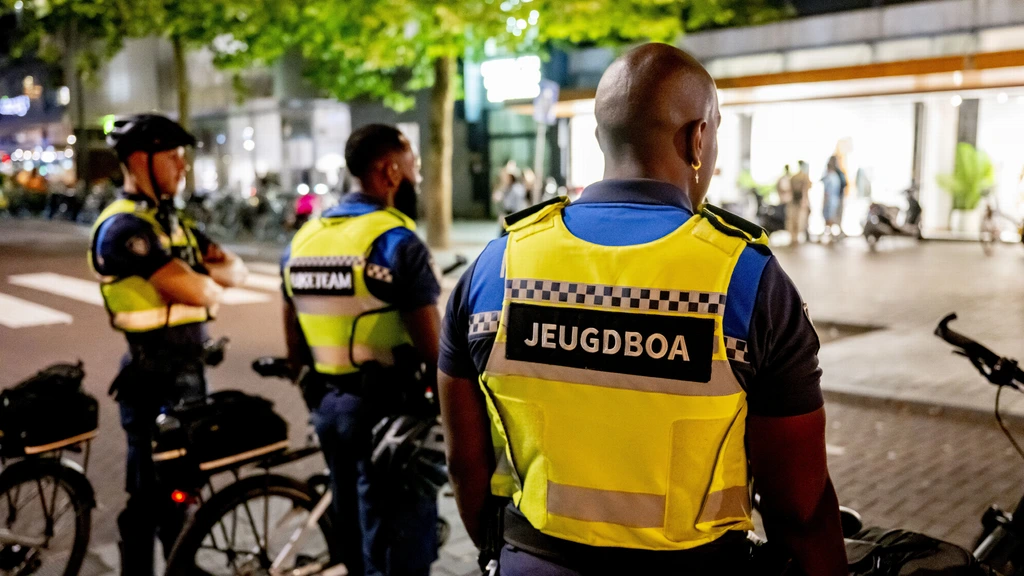
The ruling VVD party in the Netherlands has introduced a bill to nationally prohibit religious symbols, such as headscarves, for special investigating officers (boa's). While a broad majority in parliament has supported such a ban for years, it has not yet been enacted. VVD MP Martens-America stated that religious expressions are incompatible with uniforms in a secular country. Currently, some municipalities like Amsterdam, Tilburg, and The Hague permit boa's to wear religious items, a situation the VVD deems undesirable and seeks to standardize through national legislation. The Council of State previously advised against a cabinet-level decree for this ban, recommending a full legislative amendment to allow parliamentary review. The current coalition government, comprising D66, VVD, and D66, has no specific mention of boa uniforms or religious symbols in its coalition agreement, leading to divided responses from coalition partners. D66 opposes the ban, arguing that actions, not uniforms, determine neutrality. The CDA has not finalized its position but supports the principle of uniform national rules. Several other parties, including PVV, JA21, BBB, SGP, ChristenUnie, and SP, have previously backed similar proposals, ensuring a majority in the House of Representatives. However, the Dutch Human Rights College and some local councils argue that allowing religious symbols promotes inclusivity and that boa's can perform their duties impartially while wearing them. The Human Rights College described a ban as 'stigmatizing and ineffective.' The European Court of Justice allows employers to prohibit religious symbols only if they can prove it's strictly necessary for neutrality. Municipalities, as employers, currently set their own rules, though a non-binding national guideline on 'lifestyle neutrality' exists. An increasing number of municipalities have recently allowed religious symbols, though usage data is scarce.
This legislative proposal highlights a recurring tension between secular state principles and individual religious freedom within public service roles. The VVD's initiative seeks to enforce a uniform standard of neutrality for law enforcement officers, framing it as essential for a secular society. However, this approach directly confronts differing interpretations of neutrality and inclusivity, as evidenced by the opposition from D66 and the stance of the Dutch Human Rights College. The debate also intersects with broader societal questions about the integration of religious identity in public life and the potential impact of such bans on workforce diversity, particularly for minority groups. Future considerations may involve balancing the perceived need for state neutrality with the constitutional right to religious expression and the practical implications for recruitment and public perception of law enforcement.
AI-generated to prompt reflection — not editorial opinion, not advice, not a statement of fact. How this works.