Dutch Water Authorities Demand EU Rules for Fair River Water Distribution
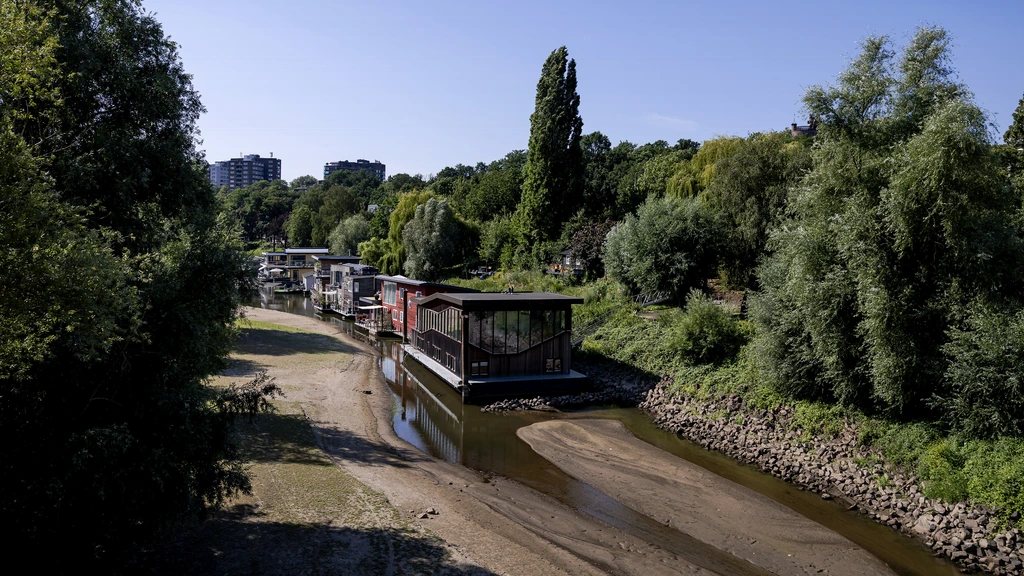
The Union of Water Authorities in the Netherlands is calling for stricter European regulations on the distribution of scarce river water. As the Netherlands is situated at the end of several major river basins, it risks receiving only residual water during dry periods, as upstream countries may prioritize their own needs. Jeroen Haan, chairman of the Union and dike reeve, explained that other European nations face similar water management challenges during heat and drought, but the Netherlands' downstream position exacerbates the problem.
Recent early glacier melt and prolonged dry spells have intensified water issues across Dutch rivers. Rijkswaterstaat suspects Switzerland might be withholding water for its own use, a practice common among European countries during droughts. While existing agreements and bilateral commissions address water distribution, the Union deems them insufficiently binding. They advocate for mandatory regulations from the European Commission to ensure equitable water allocation and quality across the continent, especially as climate change leads to hotter, drier summers and wetter winters.
The proposed EU rules should also consider the full spectrum of upstream and downstream benefits and drawbacks. Haan suggests that upstream countries could benefit from stricter regulations by storing excess water during wet periods in newly planned lakes, such as those proposed in Germany on former lignite mining sites, and releasing it during droughts. However, the Union also stresses that the Netherlands must take responsibility for its own water management by investing in domestic water storage and retention solutions for both drought and flood conditions.
The Dutch water authorities' appeal highlights a growing challenge in transboundary water management, amplified by climate change. The current system, reliant on bilateral agreements, appears insufficient to address the increasing frequency and severity of water scarcity and excess across Europe. The proposal for binding EU regulations reflects a shift towards centralized governance for shared resources, aiming to mitigate the 'tragedy of the commons' where downstream nations bear the brunt of upstream actions. This situation underscores the need for systemic solutions that balance national interests with collective ecological and economic stability, particularly as hydrological cycles become more extreme. Future water governance frameworks will likely need to integrate adaptive strategies, technological innovation in water retention and distribution, and robust mechanisms for conflict resolution among member states to ensure resilience in the face of escalating environmental pressures.
AI-generated to prompt reflection — not editorial opinion, not advice, not a statement of fact. How this works.