Dutch Water Authority Pumps Groundwater to Save Protected Fish Species
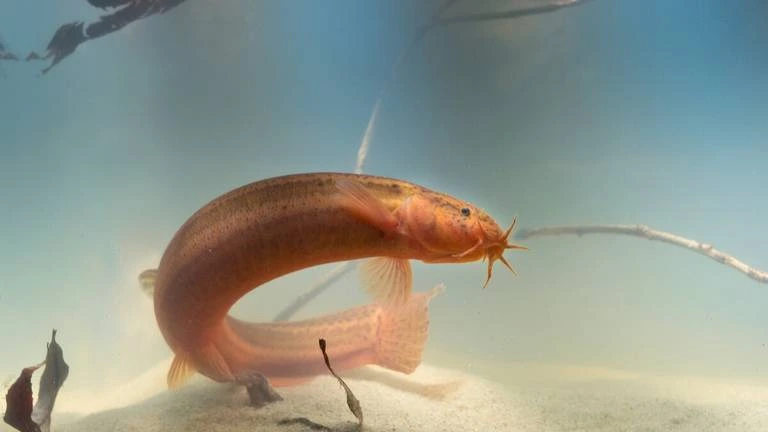
The Brabant water authority Aa en Maas is taking measures to save a protected fish species by pumping groundwater into a stream. The species in question is the great weather loach, typically found in muddy European waters. While the great weather loach is known for its ability to survive temporary drying of water bodies by burrowing in mud and absorbing air, the current dry conditions in the Schijndelse Loop are proving too severe even for this resilient fish. The water authority aims to prevent the muddy substrate, where the fish burrows, from turning into "dry matter." Groundwater will be pumped as long as necessary, according to Omroep Brabant.
This intervention follows a similar effort by water authority De Dommel earlier this month. They used groundwater to aid the survival of the brook lamprey, bullhead, and barbel during the dry spell. The additional water is crucial for maintaining stream flow, which ensures sufficient oxygen for aquatic life and plants. Mado Ruijs, a board member of De Dommel, described the situation as "worrying," noting that it is unprecedented to need groundwater pumping so early in the year. Ruijs emphasized the need for the Brabant soil to regain its sponge-like capacity and for more buffer areas. He urged residents, farmers, and businesses to conserve water year-round, not just during the summer.
The proactive use of groundwater by Dutch water authorities highlights the escalating impact of prolonged dry periods on aquatic ecosystems. This intervention, while necessary for immediate species preservation, underscores a systemic challenge in water management. The reliance on groundwater pumping suggests a deficit in natural water retention and recharge, potentially exacerbated by land-use practices and climate change. The call for increased buffer zones and year-round water conservation points to a broader need for integrated water resource management that prioritizes ecological resilience alongside human needs. Future strategies will likely require balancing agricultural, industrial, and environmental water demands within a context of increasing scarcity, necessitating innovative solutions for water storage, efficient use, and ecosystem restoration to adapt to a changing climate.
AI-generated to prompt reflection — not editorial opinion, not advice, not a statement of fact. How this works.