E-Ink Displays: Beyond E-Readers to Smart Dashboards
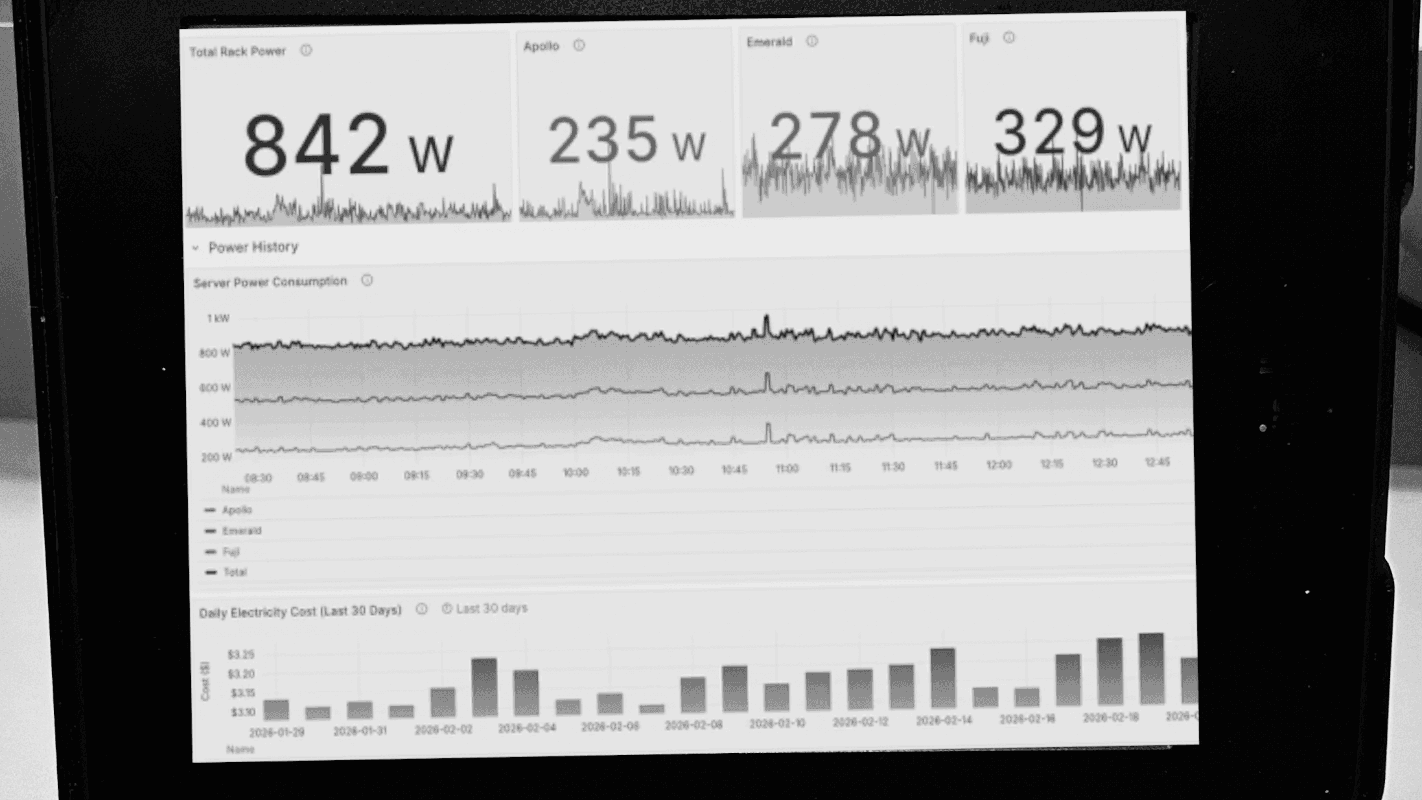
For nearly two decades, users have explored repurposing Amazon Kindles and other e-ink devices beyond their primary function as e-readers. The appeal of e-ink technology lies in its low power consumption and excellent readability, making it suitable for various display applications. This has led to ongoing efforts to transform these devices into functional dashboards. Early attempts focused on leveraging the Kindle's existing capabilities to present information in new ways. The inherent characteristics of e-ink, such as its static display nature and minimal power draw when not refreshing, make it an attractive option for persistent information displays. This exploration continues as developers and hobbyists seek to harness the unique benefits of e-ink for more than just reading books. The potential applications extend to smart home controls, status updates, and other information-rich interfaces.
The enduring interest in repurposing e-ink devices like the Kindle highlights a fundamental tension between specialized consumer electronics and the desire for adaptable, low-power information displays. As the AI era progresses, the demand for ambient, context-aware interfaces that consume minimal energy will likely grow. E-ink's unique properties position it as a potential contender for such applications, challenging the dominance of power-hungry LCD and OLED screens in certain contexts. Future innovations may see e-ink integrated into a wider array of smart devices, offering a sustainable and visually comfortable alternative for persistent data visualization, provided challenges in refresh rates and color fidelity can be further addressed.
AI-generated to prompt reflection — not editorial opinion, not advice, not a statement of fact. How this works.