E20 Fuel and Reservation: Two New Movements Challenge Modi Government
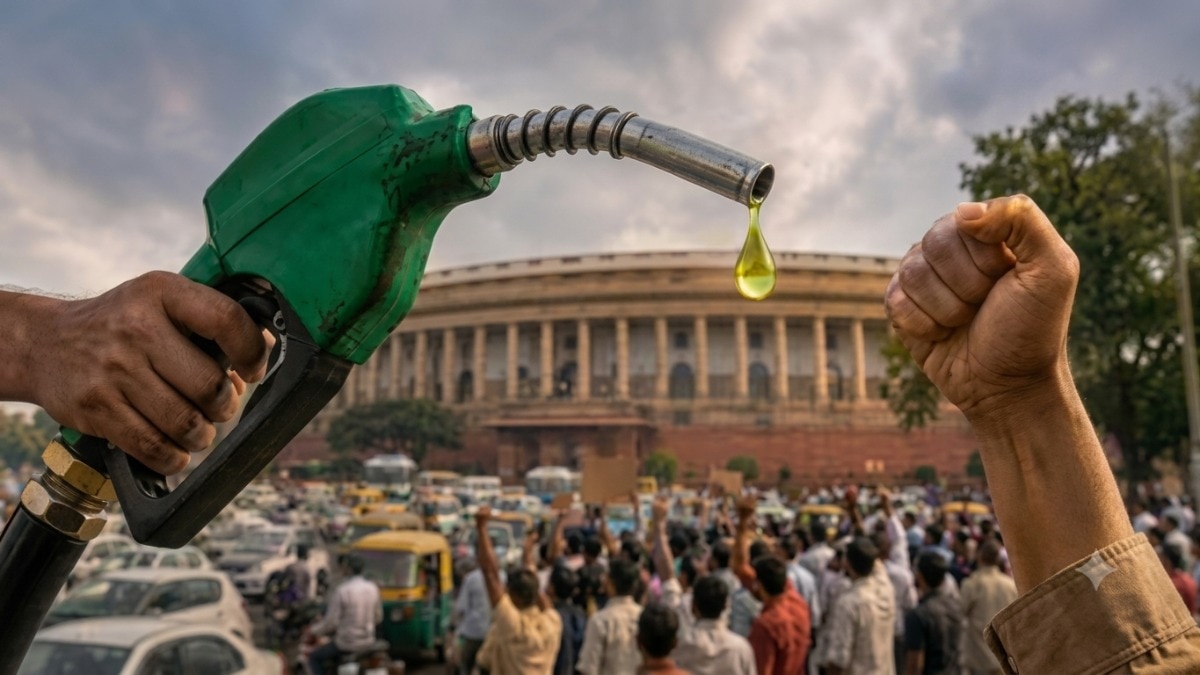
The Indian government is facing two significant challenges emerging on the horizon, following criticism over the NEET exam paper leak. One challenge involves opposition to the government's policies on E20 petrol, which is currently gaining traction on social media. Simultaneously, a pressure group is actively campaigning for the removal of reservation policies.
Both groups associated with these issues represent important segments of the voting population. The E20 fuel policy, which mandates a blend of 20% ethanol with gasoline, has drawn criticism regarding its potential impact on vehicle performance and maintenance costs. The campaign against reservation policies, a long-standing debate in India, seeks to dismantle affirmative action measures aimed at ensuring representation for historically disadvantaged communities.
The Modi government faces a dual challenge from public sentiment regarding E20 fuel policies and the persistent demand for reservation reform. The E20 fuel initiative, while framed as an environmental and economic measure, appears to be encountering public resistance potentially linked to perceived practical drawbacks or lack of clear communication regarding its benefits and implementation. The reservation issue taps into deep-seated societal divisions and political sensitivities, where any perceived shift could mobilize significant voter blocs. Navigating these issues requires careful policy communication and a nuanced understanding of diverse public interests, balancing national objectives with the immediate concerns of key demographic groups to avoid alienating substantial portions of the electorate.
AI-generated to prompt reflection — not editorial opinion, not advice, not a statement of fact. How this works.