Early Buyback of Reserve Rice Emerges, Government Hesitant Over Timing
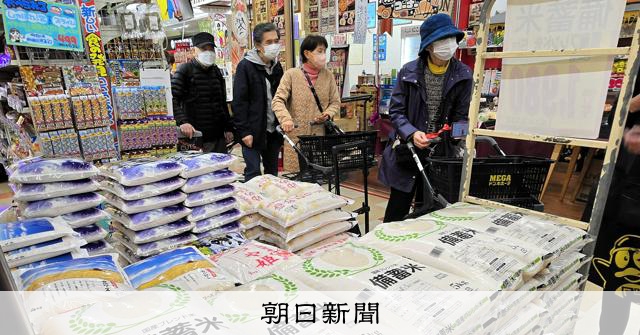
A proposal for the early buyback of reserve rice has surfaced, but the Prime Minister's Office (Kantei) is reportedly showing reluctance, questioning the timing. Concerns have been raised that such a move could run counter to current efforts to combat rising prices. The specific details of the proposal, including the quantity of rice and the proposed buyback period, are not yet clear. However, the hesitation from the government suggests a concern that injecting more funds into the agricultural sector at this juncture might exacerbate inflationary pressures. This situation highlights the delicate balancing act policymakers face when trying to support domestic industries while also managing economic stability and cost of living concerns. Further discussions are expected to determine the feasibility and potential impact of the early buyback proposal.
The emergence of a proposal for an early buyback of reserve rice, met with government hesitation, reflects a common tension between agricultural sector support and broader economic stability. Policymakers must weigh the immediate benefits to rice farmers against the potential inflationary impact of increased government spending or market intervention. In the context of global supply chain volatility and domestic price pressures, decisions regarding commodity reserves and agricultural subsidies require careful consideration of their macroeconomic consequences. The government's cautious approach suggests an awareness of the need to prioritize anti-inflationary measures, but it also raises questions about the long-term sustainability of agricultural support mechanisms and their integration into a coherent national economic strategy.
AI-generated to prompt reflection — not editorial opinion, not advice, not a statement of fact. How this works.